
6 questions to ask your pest control provider.
Question 1: How do you know I have rats?
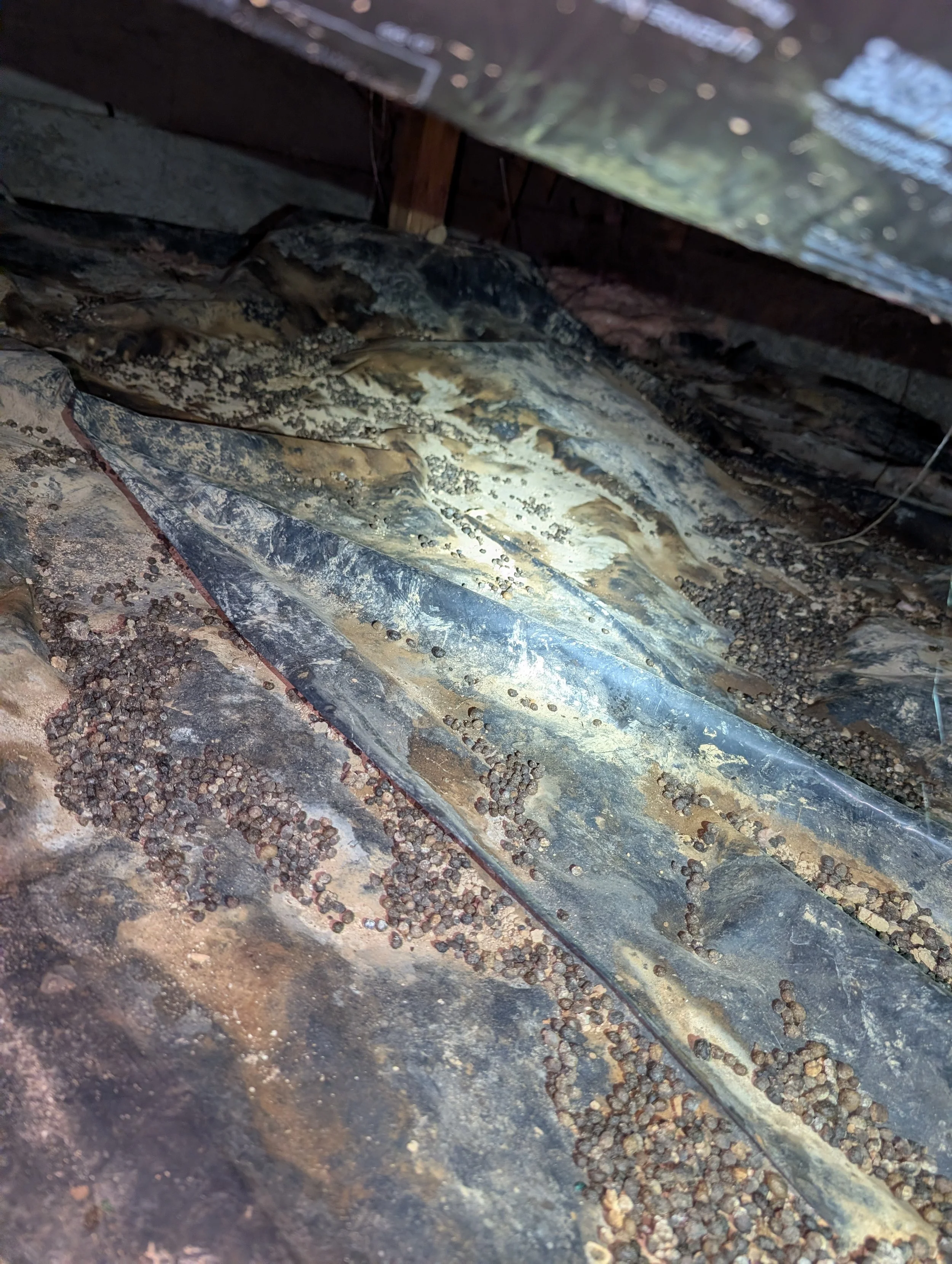
This may sound like an unnecessary question to ask but if you don’t have a problem you don’t need a “solution”. Some companies want to get you on a maintenance plan as a preventative but, as we will get into later, it doesn’t prevent rodents from getting into our home. As our wise fathers always told us “if it ain’t broke, don’t fix it”. Are your hearing things in your attic or crawl space? Did the person knocking on your door check the crawl space? Did they show you photos of droppings? Did they find the entry points? You want your inspector to be attentive to what and where your issue is and check those locations. A one size fits all approach will not solve the scratching noises or smell in your home. If your inspector does a thorough check of the space and finds both droppings and the entry point, you can be sure that they are on the right track.
Question 2: Do you seal off entry points?
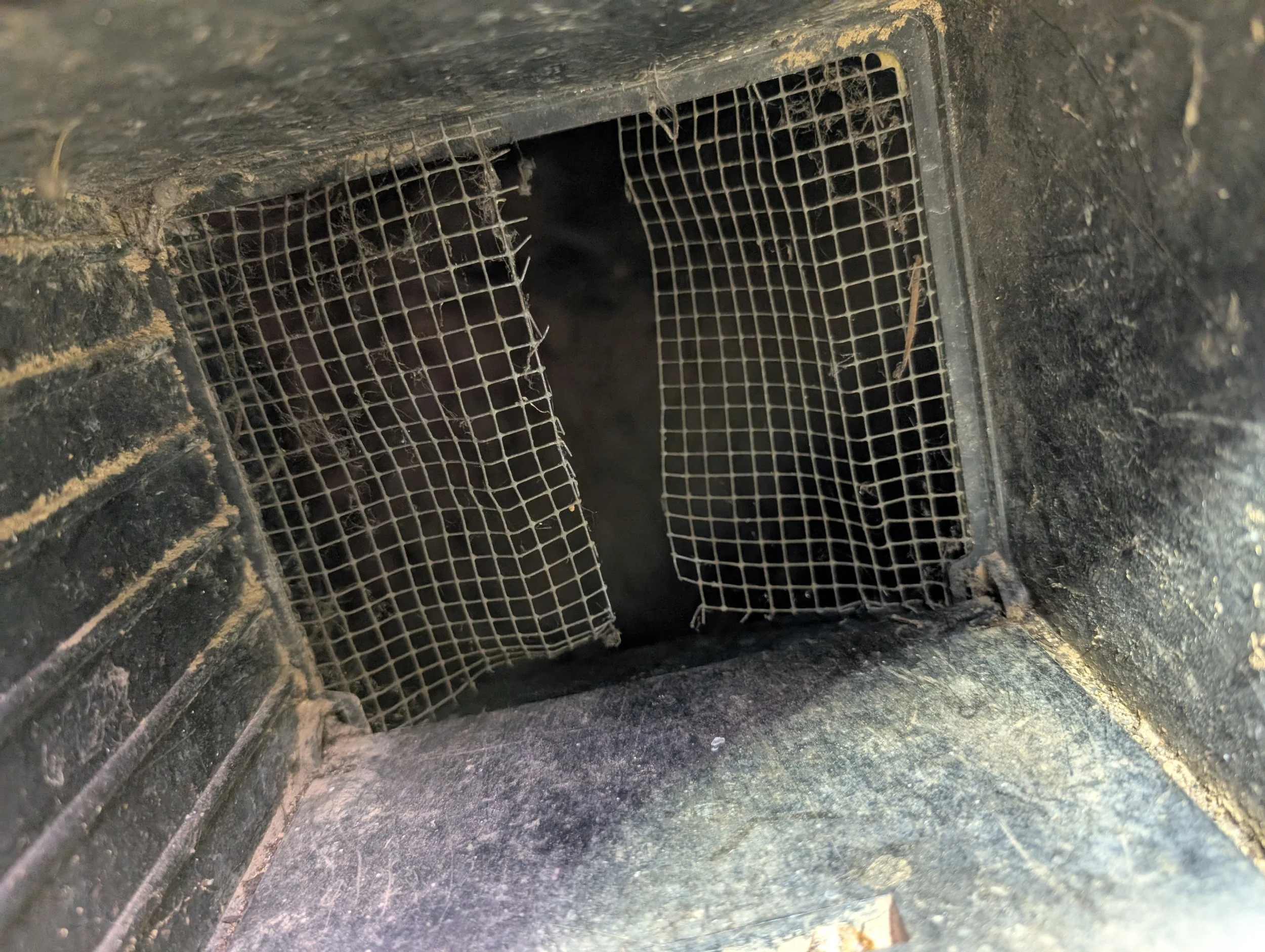
This is the most crucial question to ask, depending on how they answer this question you may want to get a quote from another company. “Yes, we prioritize exclusion” (sealing entry points) is what you want to hear. If you hear “No, it isn’t necessary”, run away! Poison boxes alone are not a sufficient solution to your problem. Without sealing off the entry point into your space you are leaving your home open to rodents entering in the future as well as the rodents that currently have access to your home dying and smelling for weeks. There is a common myth that rats will eat the poison and go to seek water. This is false!Here is a link to a resource to the effects of rodenticides http://saltlakecitywildlife.com/rat-poison.html. In short, poison is an anti-coagulant that causes internal bleeding; when the rodent begins to feel sick it crawls somewhere it feels safe, if they have been nesting in your home this is likely where they will go. If your company only does monthly maintenance plans for rodents you may come out the other side feeling frustrated and wishing you chose to have the entry points sealed off.
Question 3: How do you seal off the entry points?
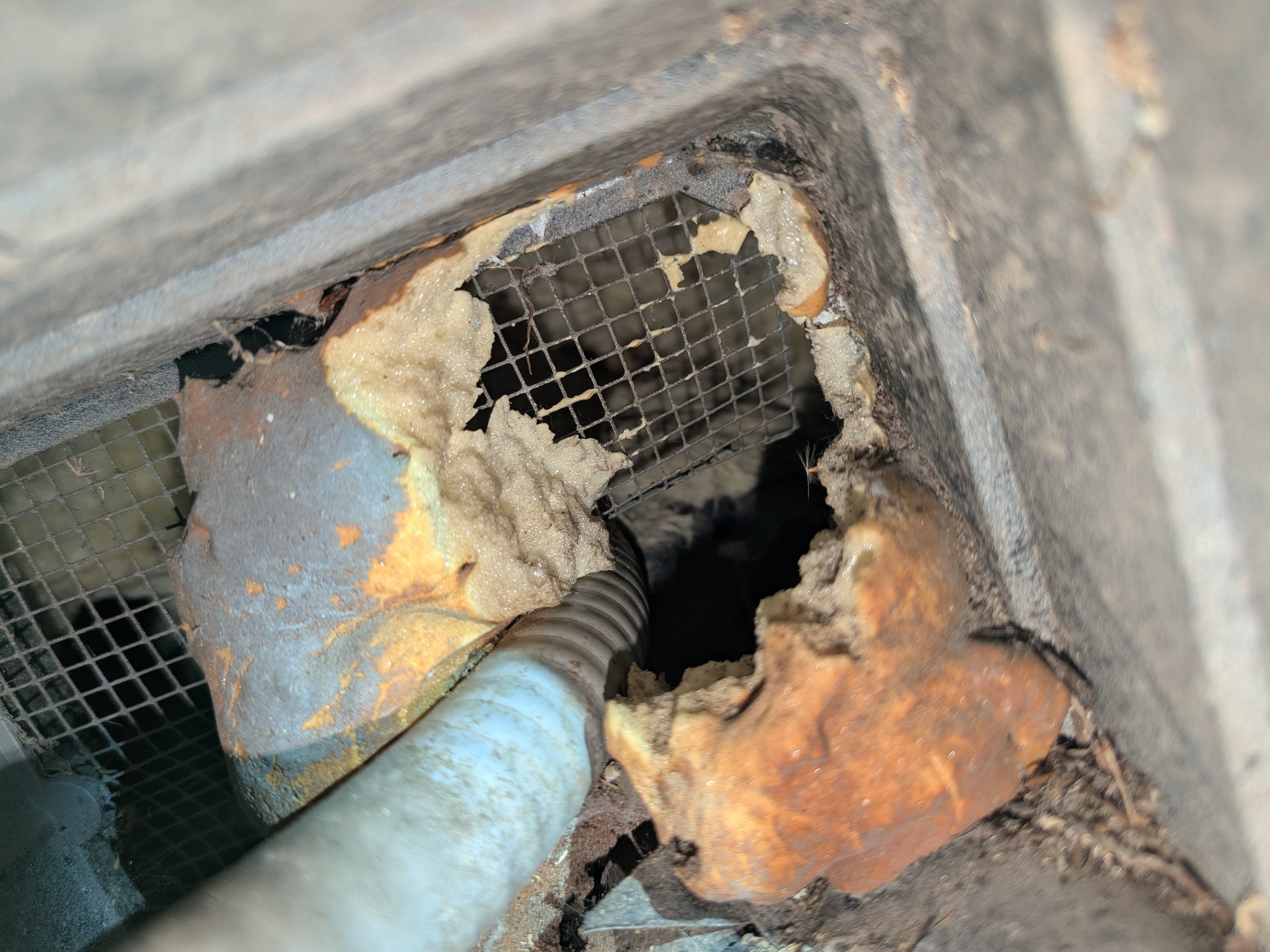
Do you use spray foam or “rat proof” spray foam? Do you use steel wool? Do you use silicone or caulking? Hopefully the answer to these questions is no. Spray foam can be easily chewed through by any rat that wants to get back into its front door that was just locked via empty boxes behind the door. Spray foam only provides an inconvenience before they get back into the space. Don’t trust rat proof spray foams either, it is a lazy way to seal entry points that take more effort to seal off properly. Steel wool is another easy method that discourages rats but does not securely prevent them from re-entering. Steel wool will rust quickly and be left to dust within a couple years. Rats will not chew on it like they do spray foam but they can use their teeth and paws to pull it away from the space it is tucked into. You want metal flashing covering any gaps from your indoor air handler (HVAC system in your garage) going into the crawl space and hardware screen on your foundation vent screens. The screen and metal must be tight against the lines going through to prevent rodents from sneaking through.
Question 4: Do you do maintenance plans?
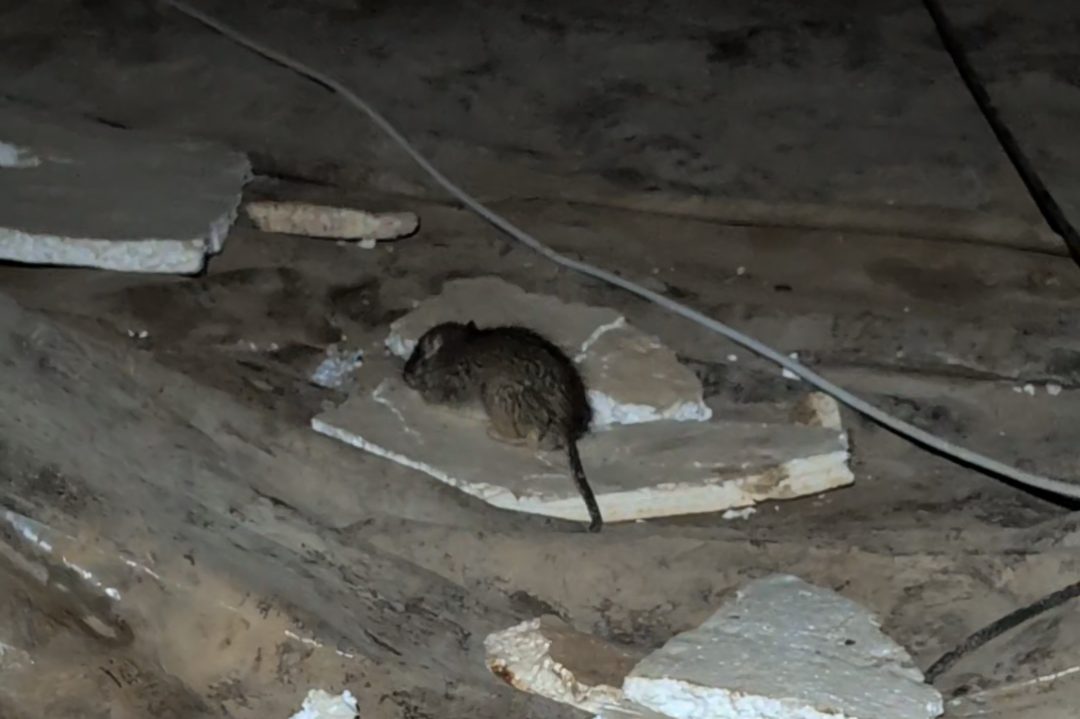
Maintenance plans are the norm for rodent control services. Poison boxes refilled at intervals of your choosing, monthly, bi-monthly or quarterly. Poisons box maintenance plans have their place in locations that entry points cannot be sealed off (commercial areas with open forklift doors, outdoor areas like farms or plant nurseries). Residential homes can almost always be excluded and this is also the most effective way to keep rodents out of our homes. The primary purpose of a bait station is keeping the population lower than what it would be without. Bait stations will never eliminate all the rats outside, they can only help to keep populations at a lower level. If you feed birds or have a chicken coup you may want a bait station in addition to sealing off entry points but never without.
Question 5: Do you guarantee your work?
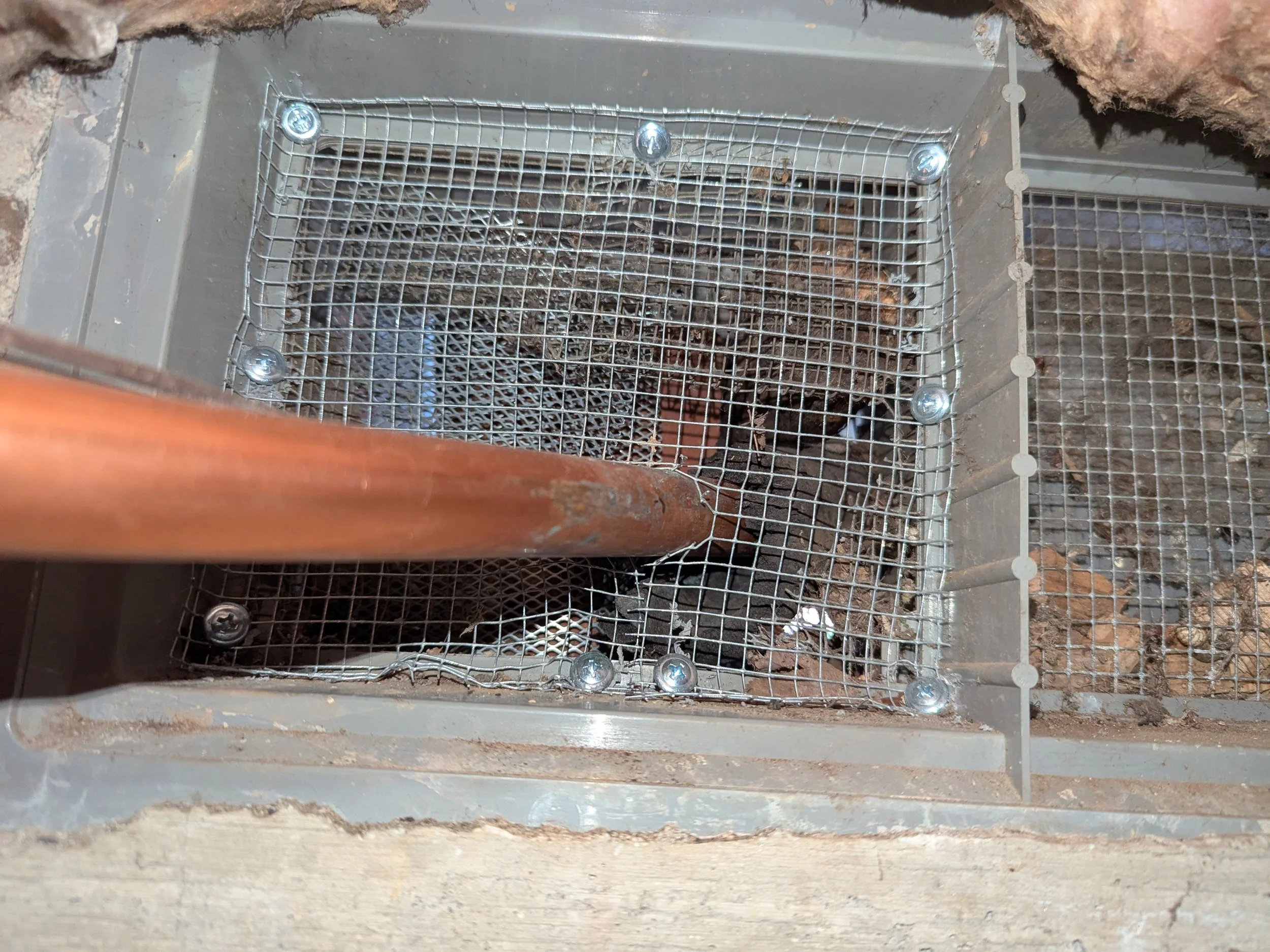
Does your rodent control provider offer any guarantees backing their work? If a company only puts out bait stations they cannot with good conscience guarantee to keep rodents out of your attic or crawl space. With proper exclusion a company can guarantee the rodents will not get into the entry points they seal off and with proper inspections you can find the entry points. You want to choose a company that stands behind their work, especially the entry points they seal off. If your company properly seals off entry points and guarantees the entry points they seal off you can be sure you have a company that has the customers interest in mind.
Question 6: Do you Restore the space?
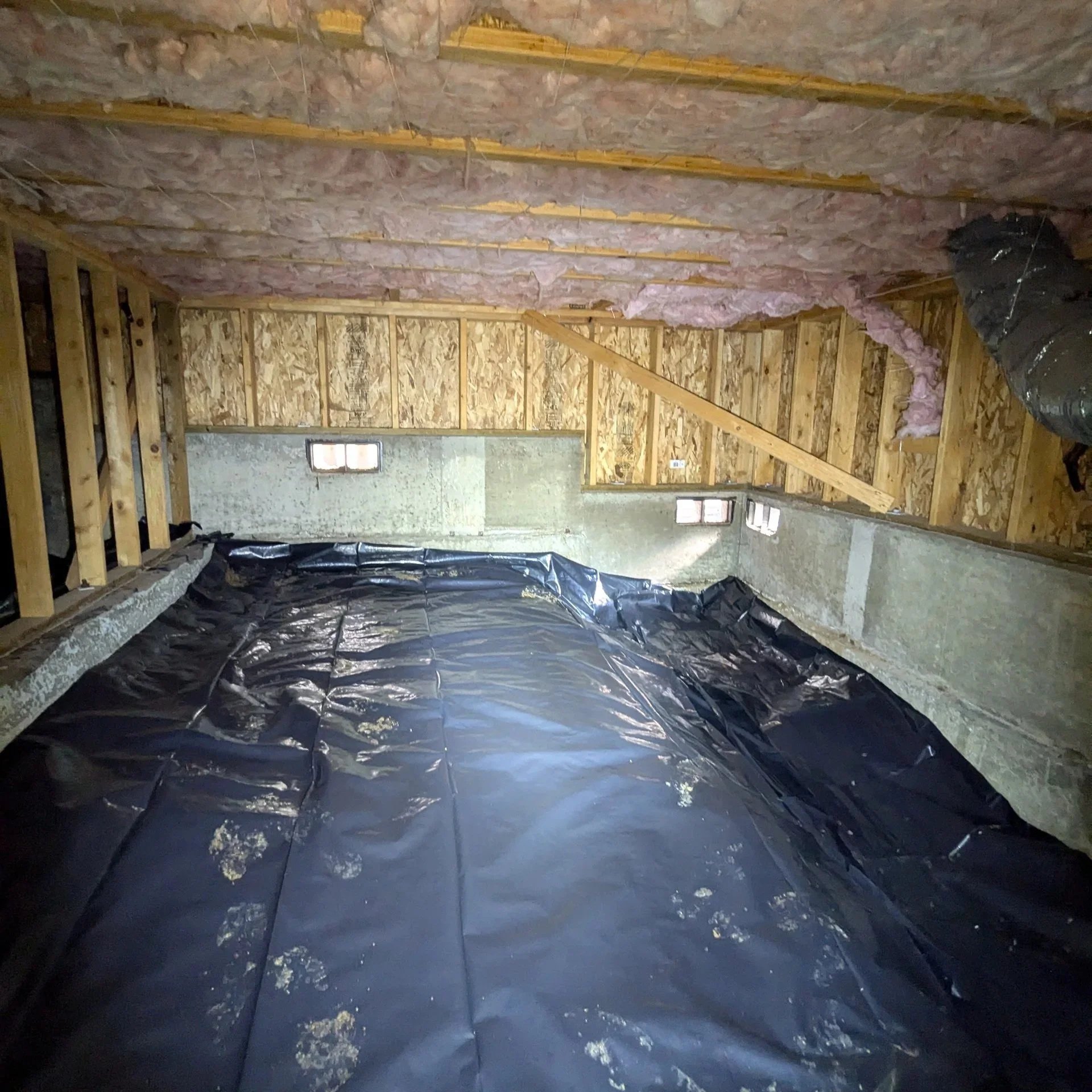
Restoration of the space is an important part of eliminating your rodent issue. Part of the reason we keep rodents out of our home is for sanitary reasons. If we eliminate the rodents but leave the space full of urine and droppings, we have not completed the reason we wanted the rodents out in the first place. A portion of the air in your home comes from your crawl space; cleaning this space is important to maintaining a healthy home. Another downside of leaving the crawl space soiled with droppings and urine are the pheromones animals leave behind. Animals can smell other animals that have been in the space and can be enticed to find a way back into the space. After your company has discovered droppings, found the entry points, properly sealed off these entry points, trapped and restored the space you can rest knowing your rodents issue has been solved.
