
The problem
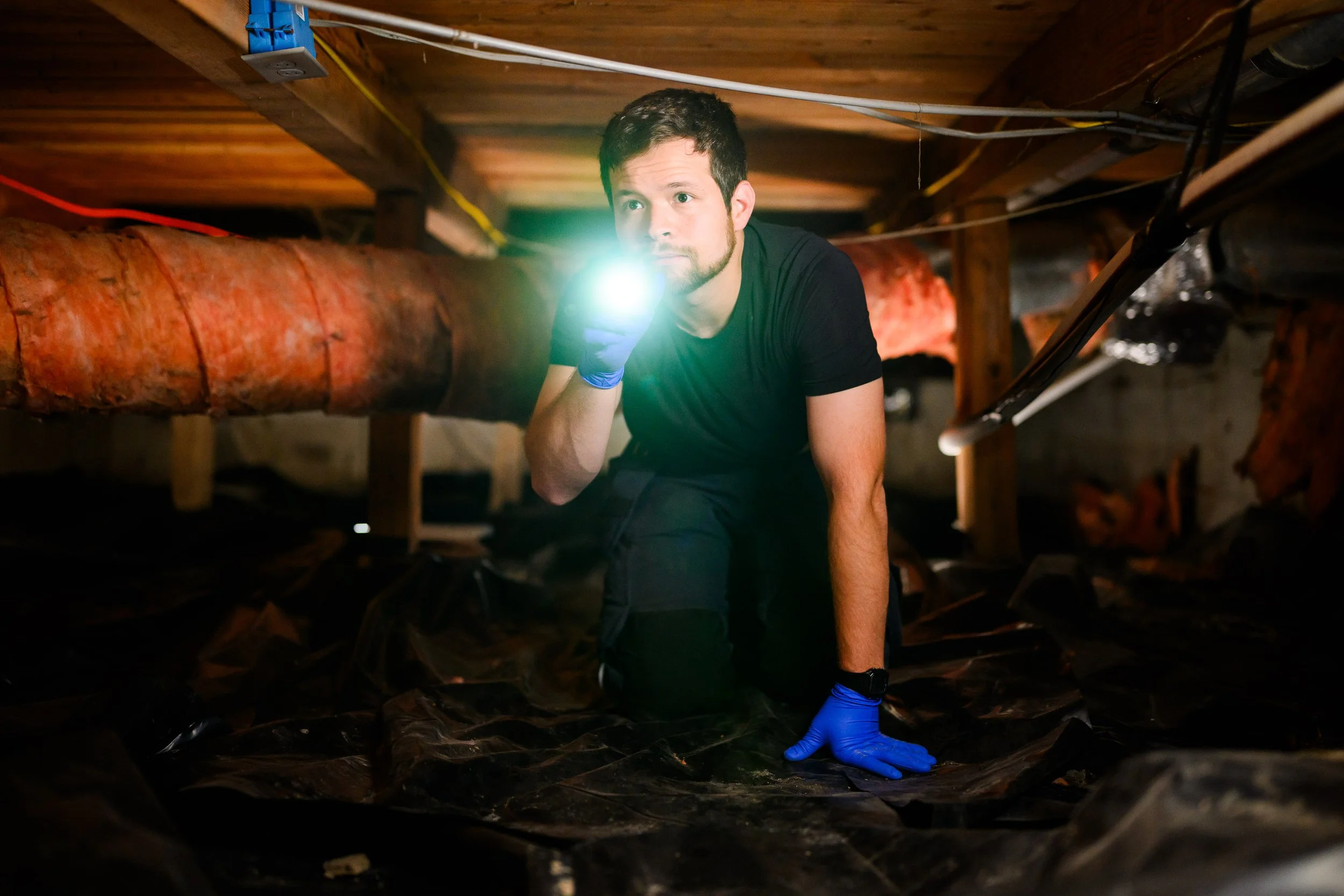
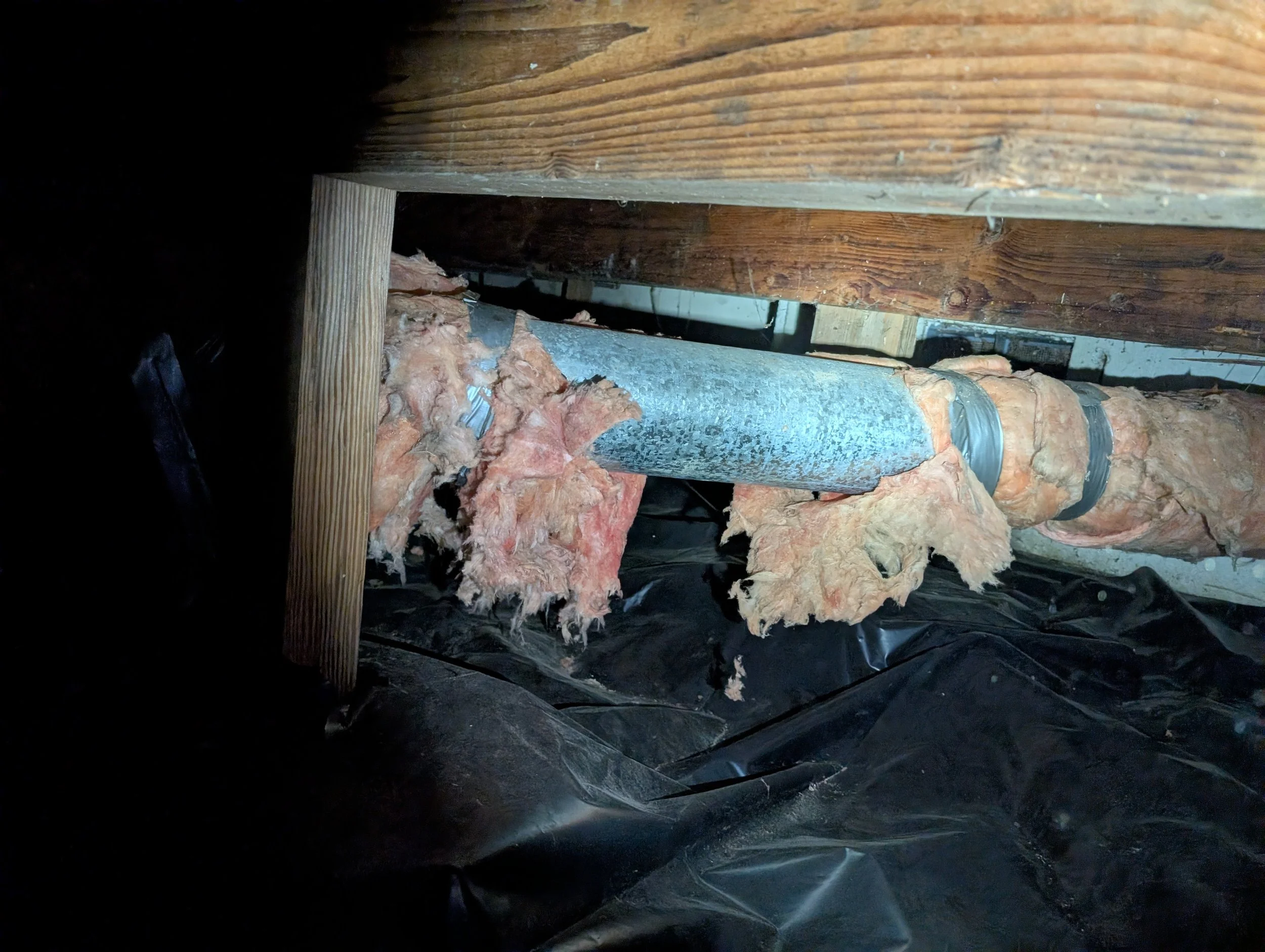
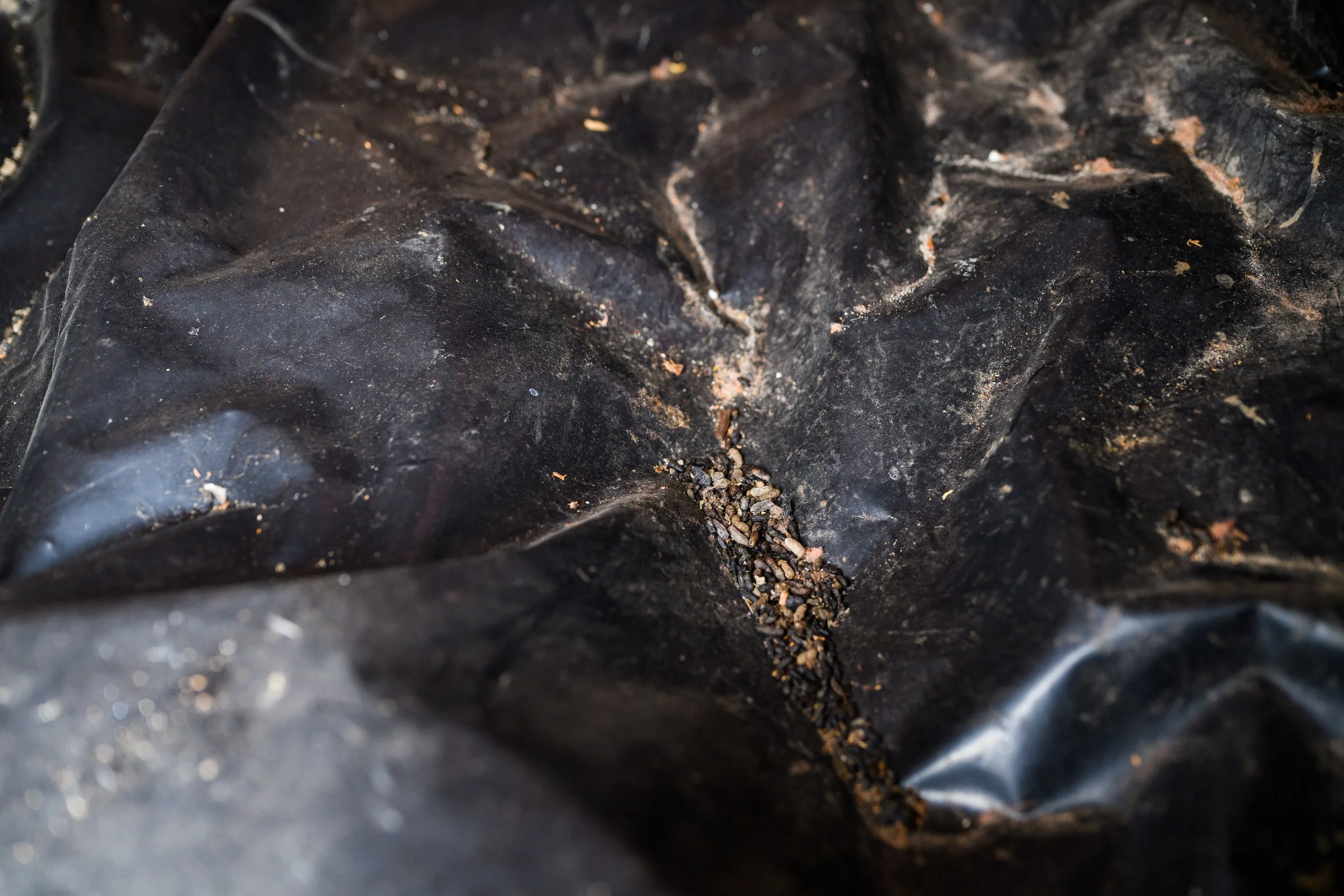
This customer in Tigard, Oregon had an issue with a door that wouldn’t open and called a company we work with that does foundation work. They checked the crawl space for possible foundation issues causing the door frame to sag. What they weren’t expecting was a crawl space full of droppings on the vapor barrier, sill plate and duct work, clearly indicating the customer has a rodent issue. The customer then called us to find the entry points and restore the crawl space.
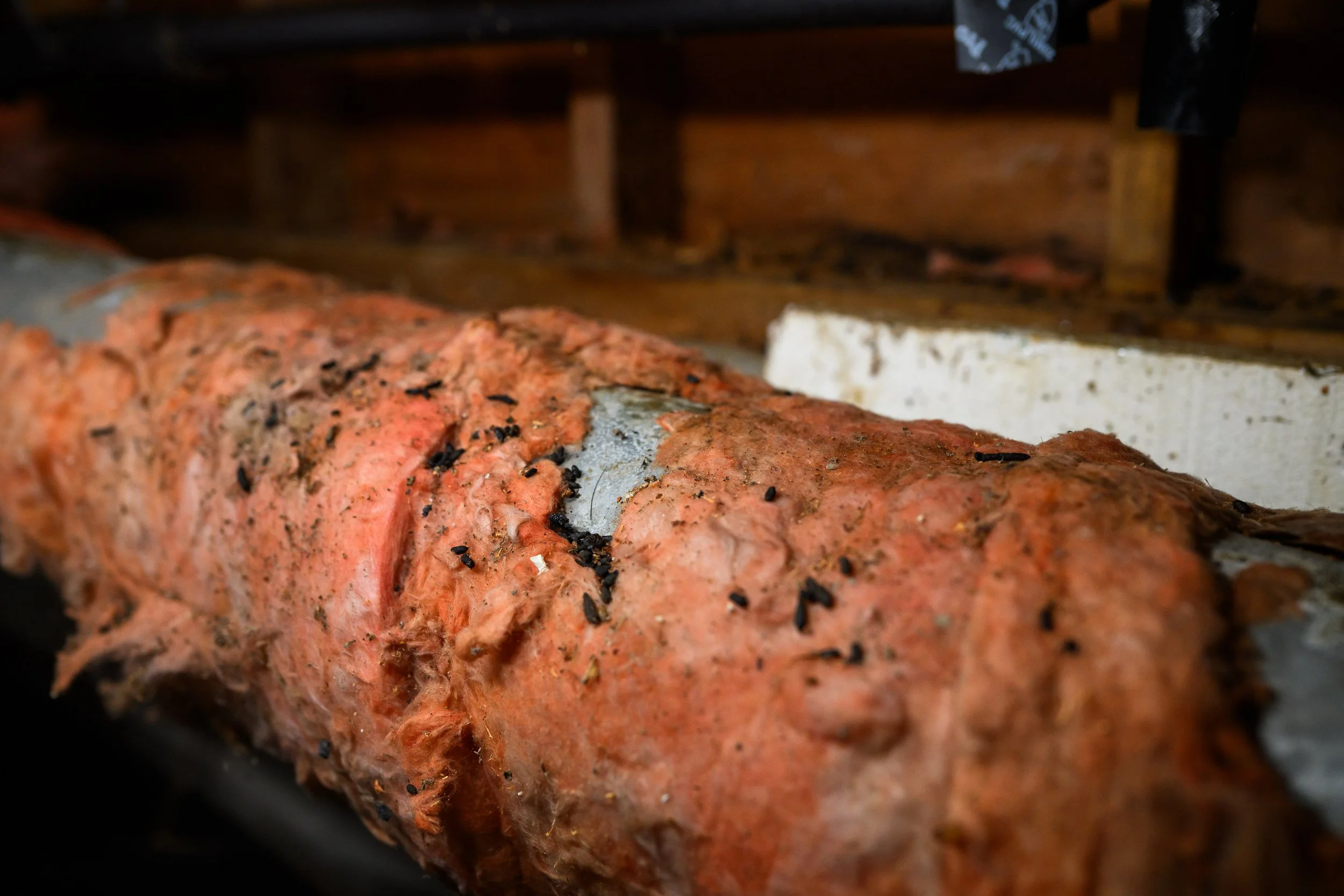
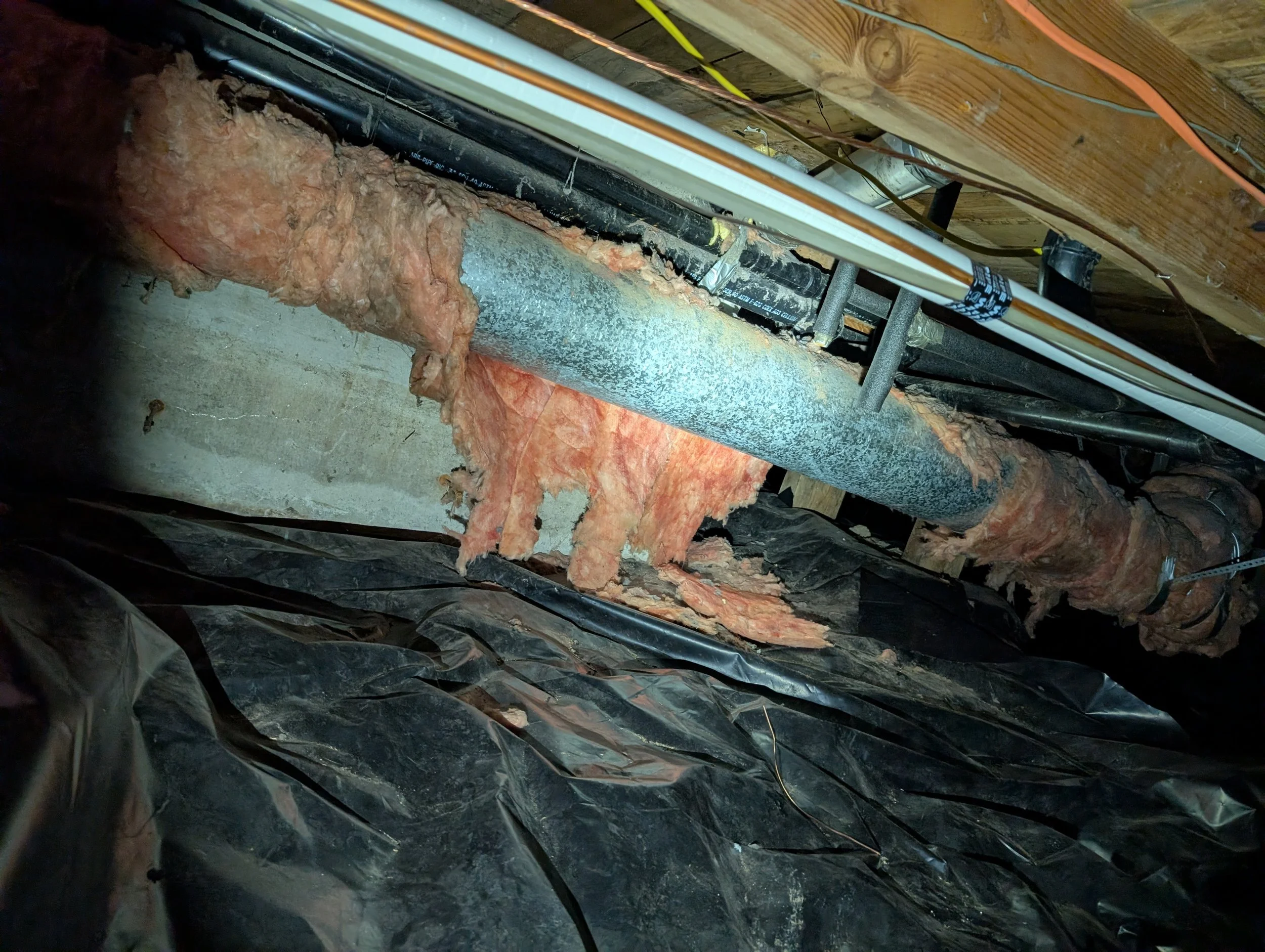
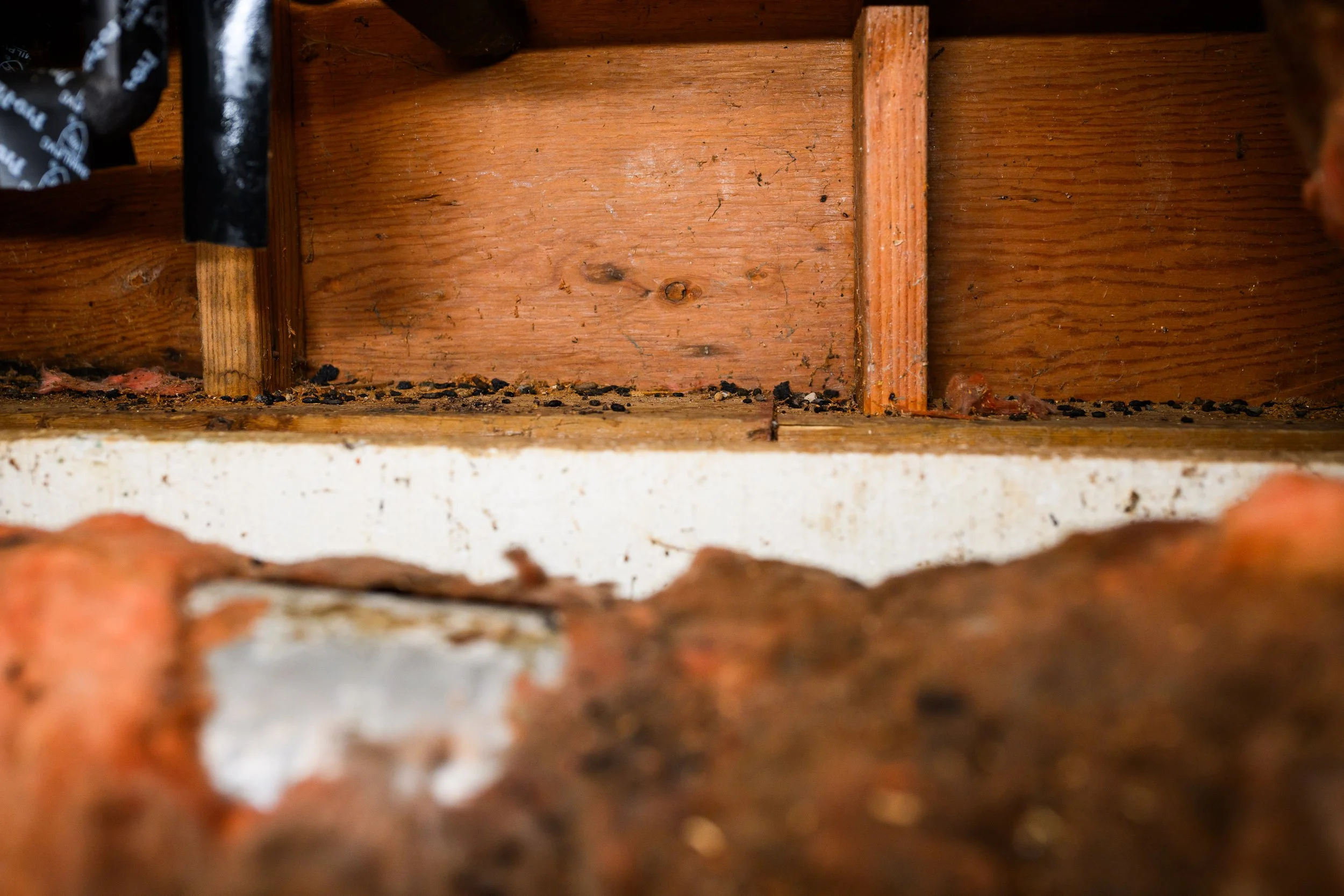
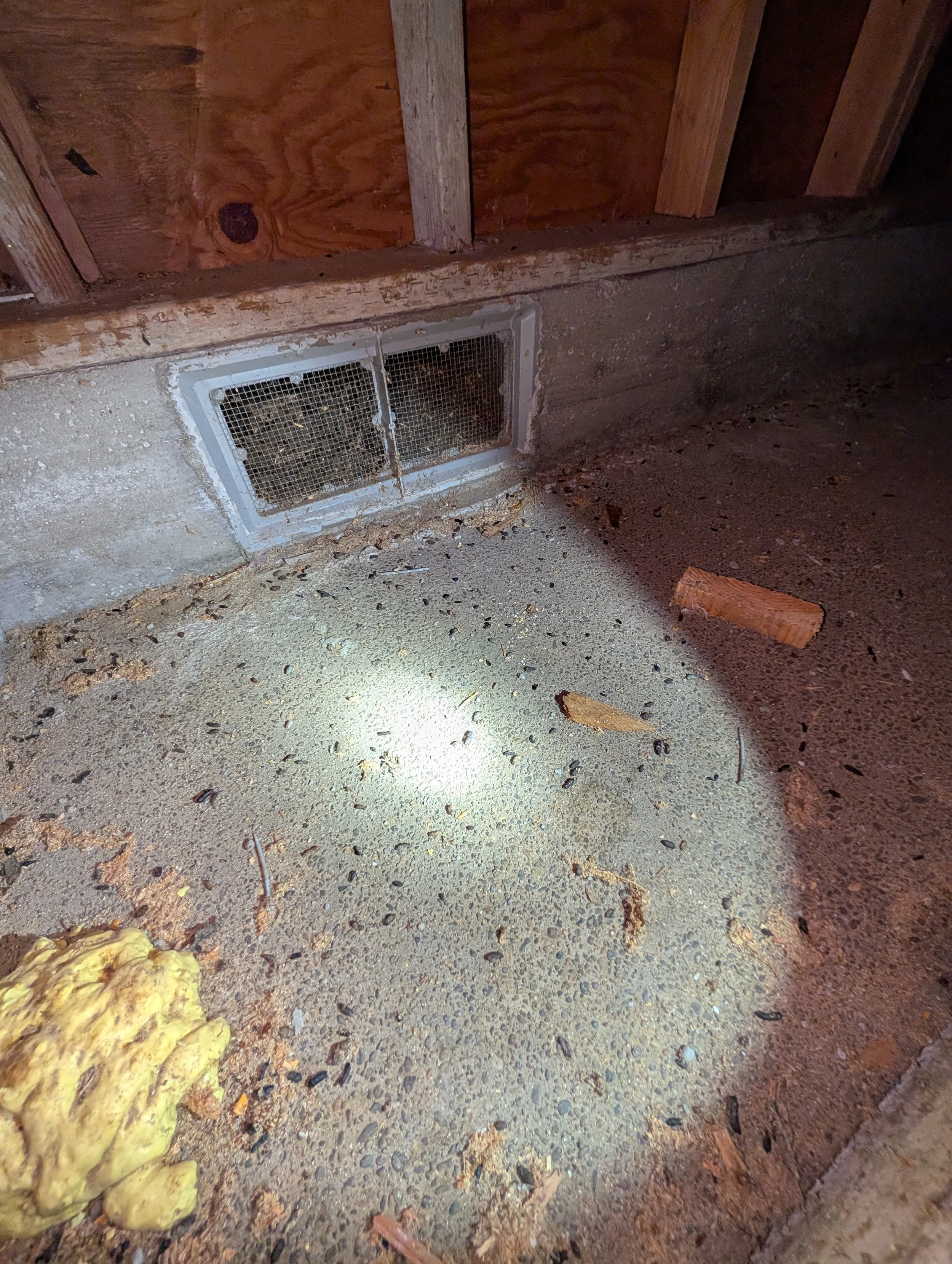
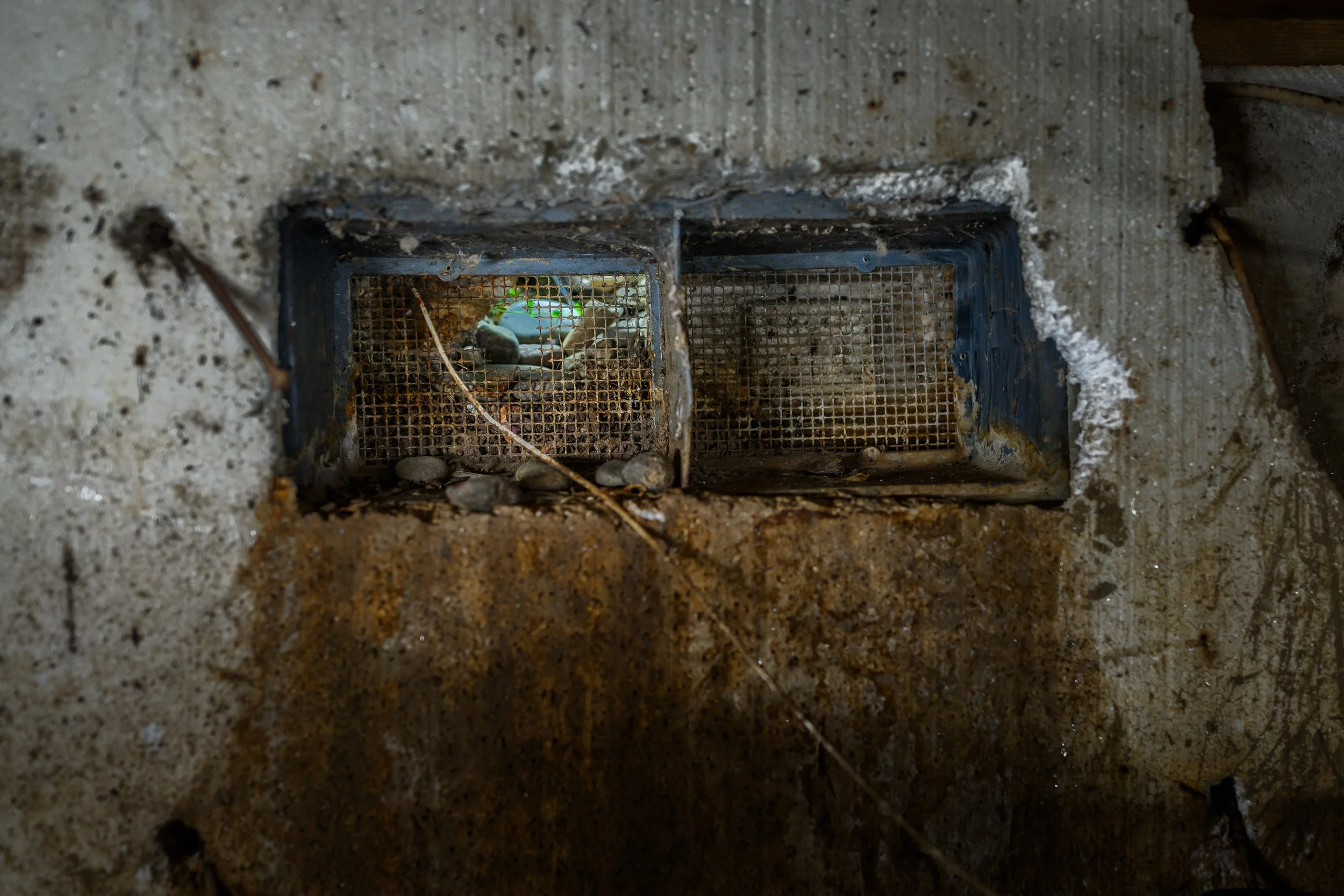
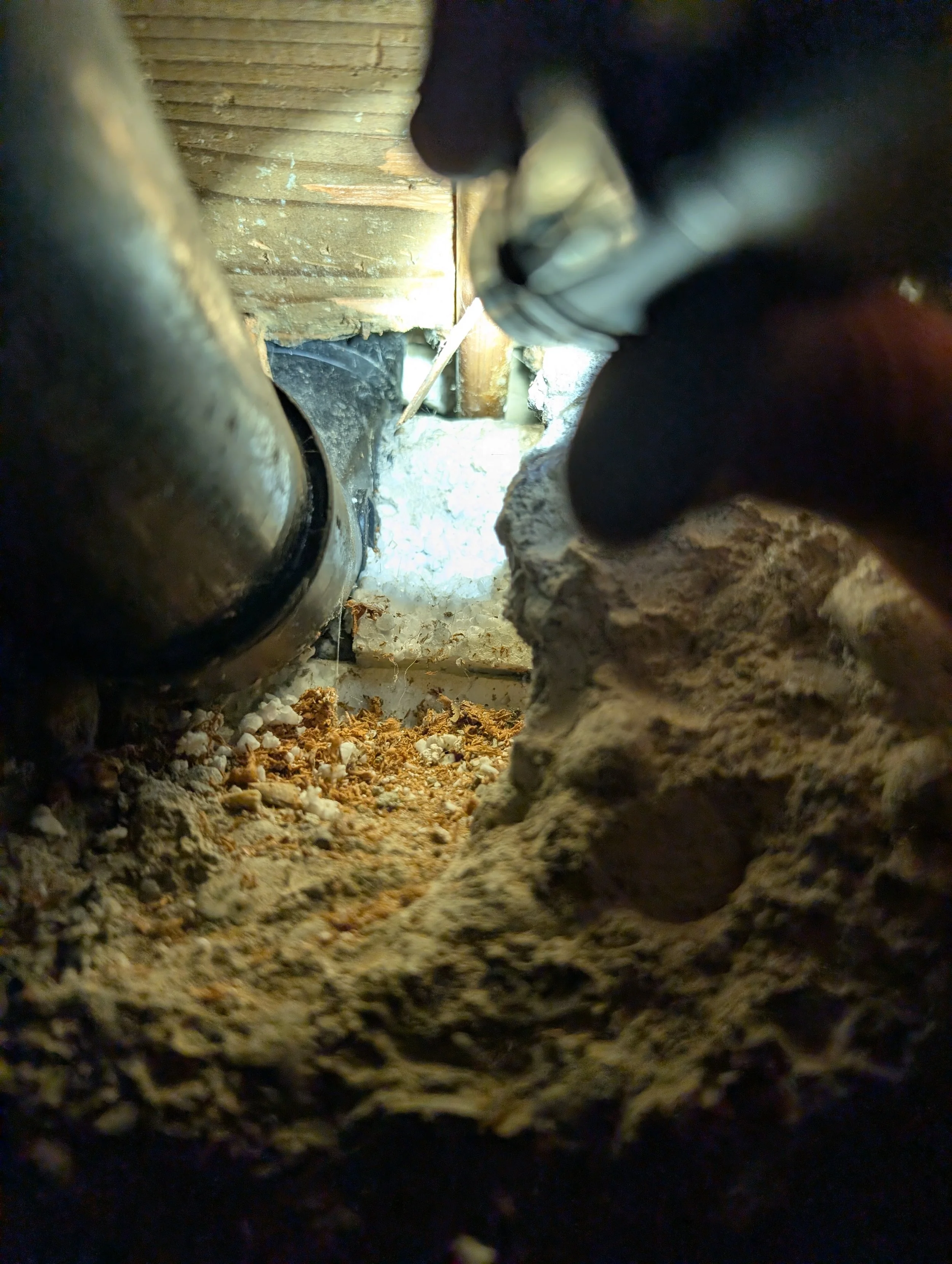
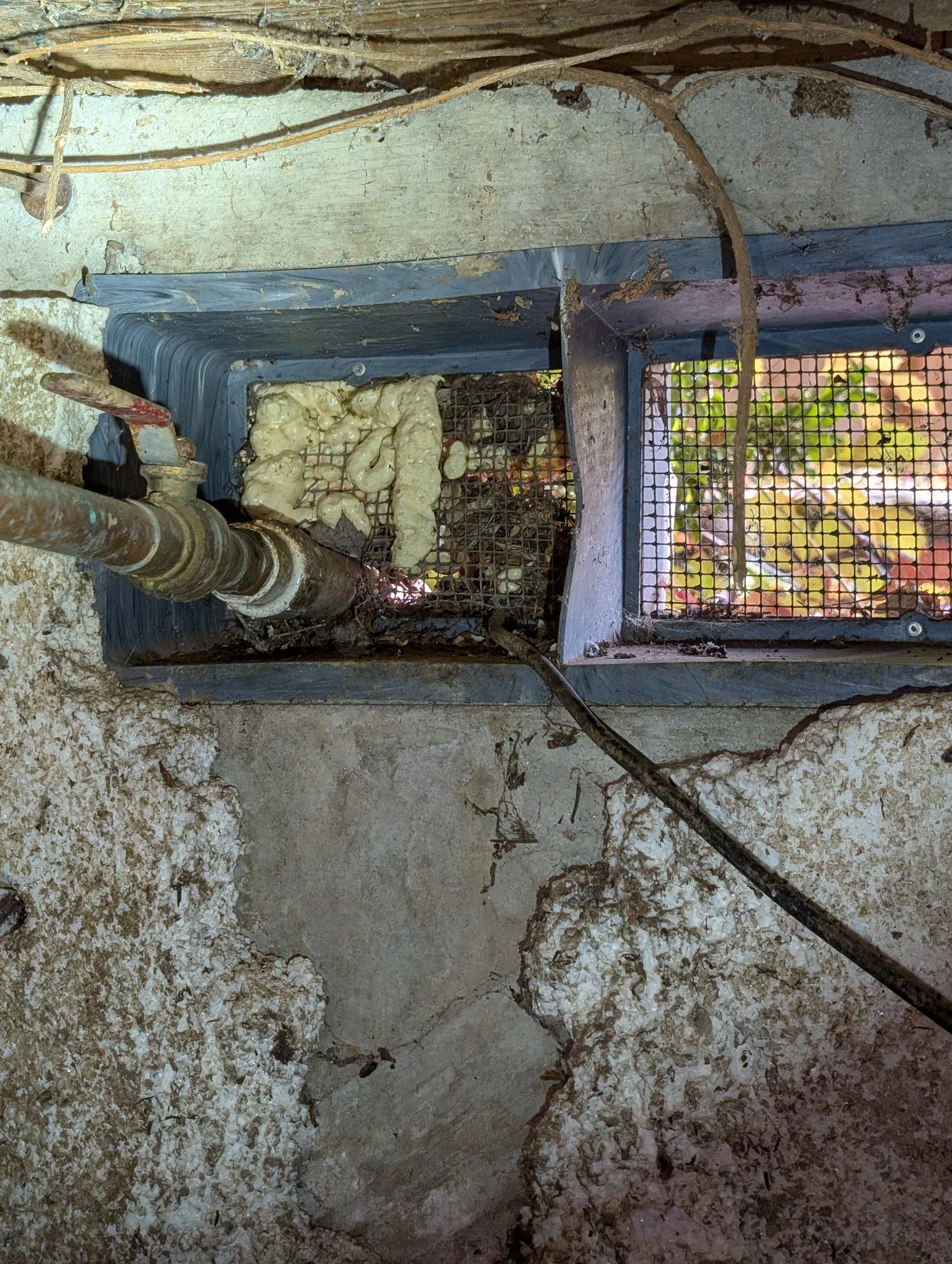
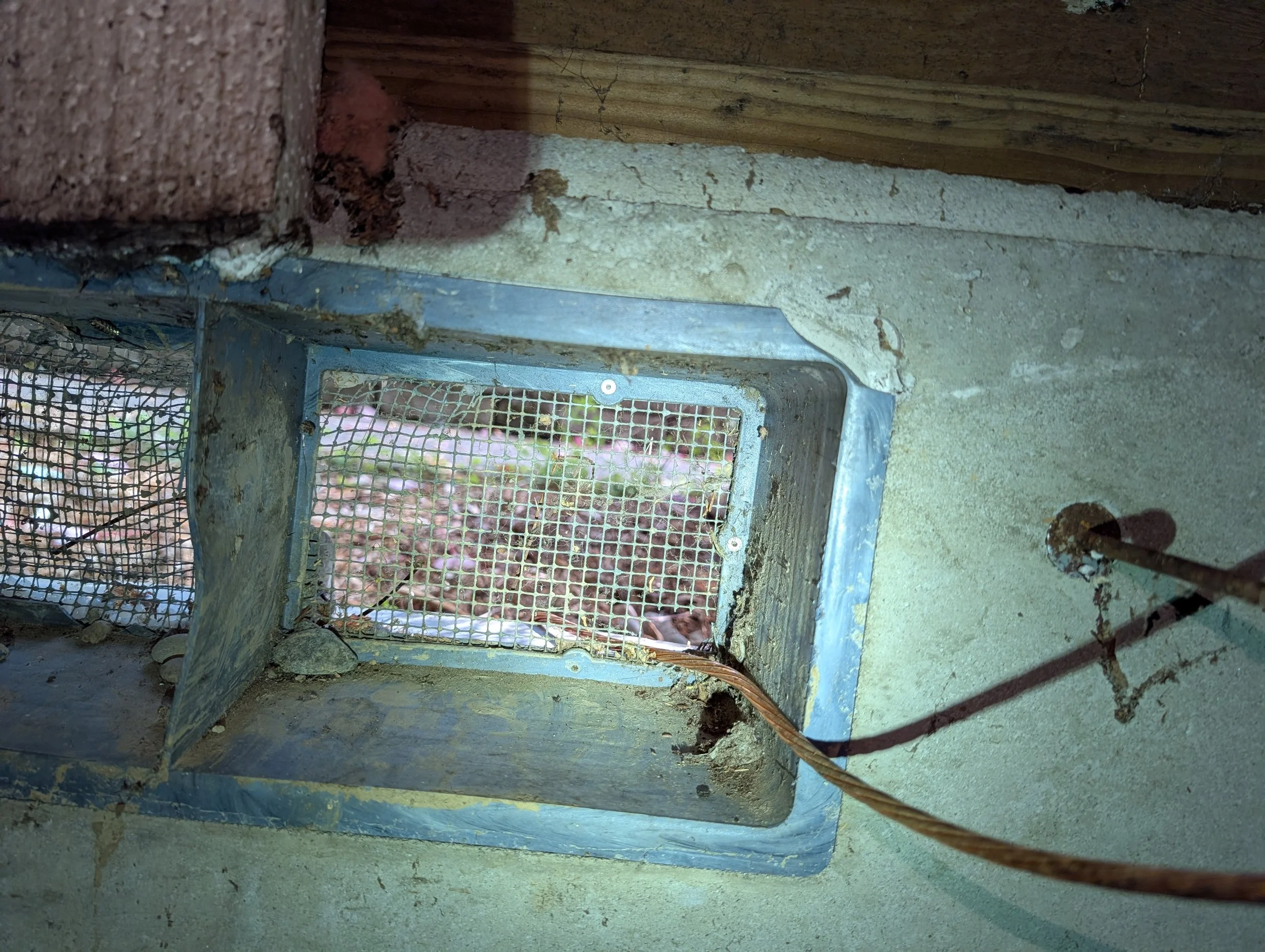
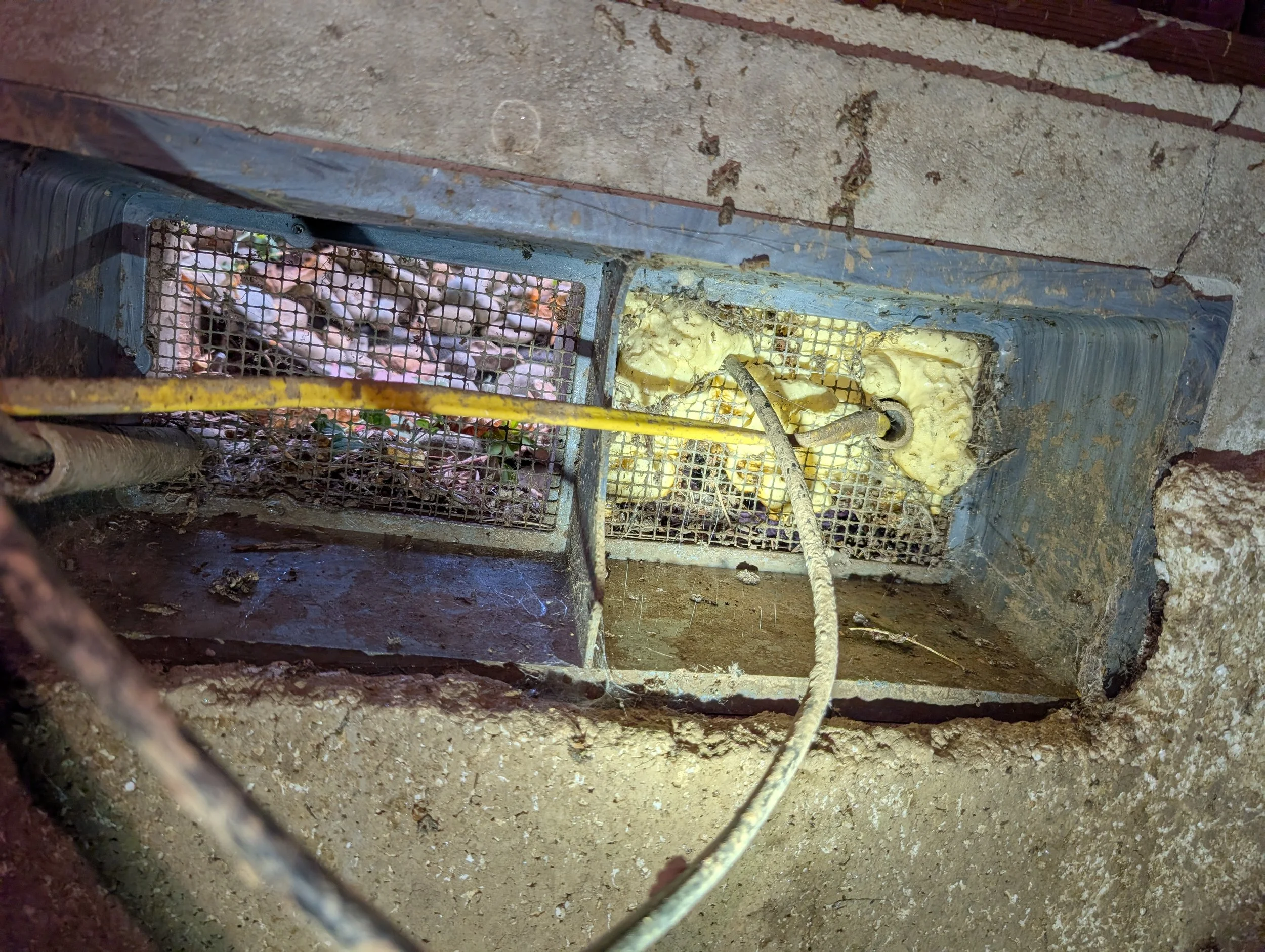
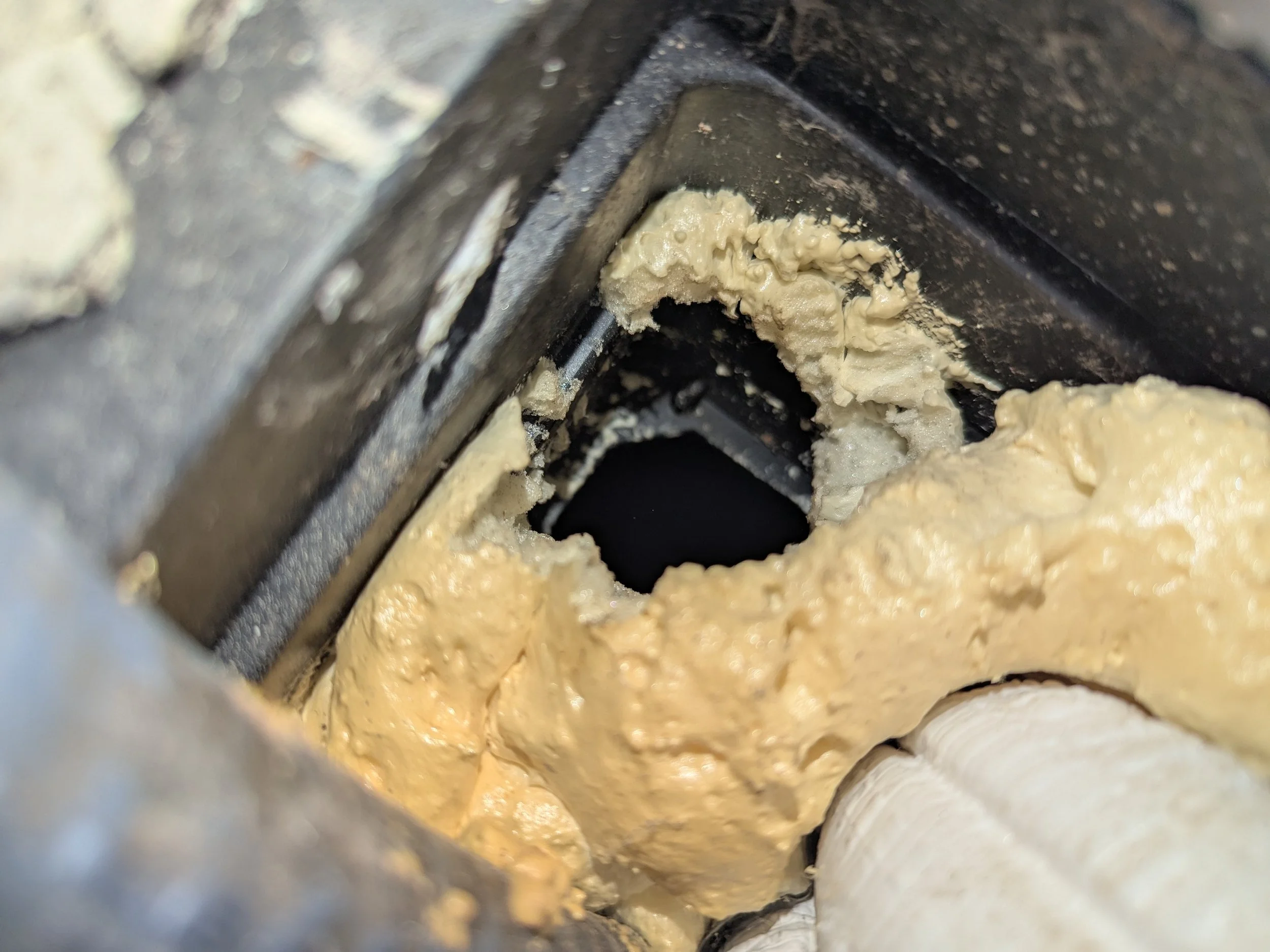
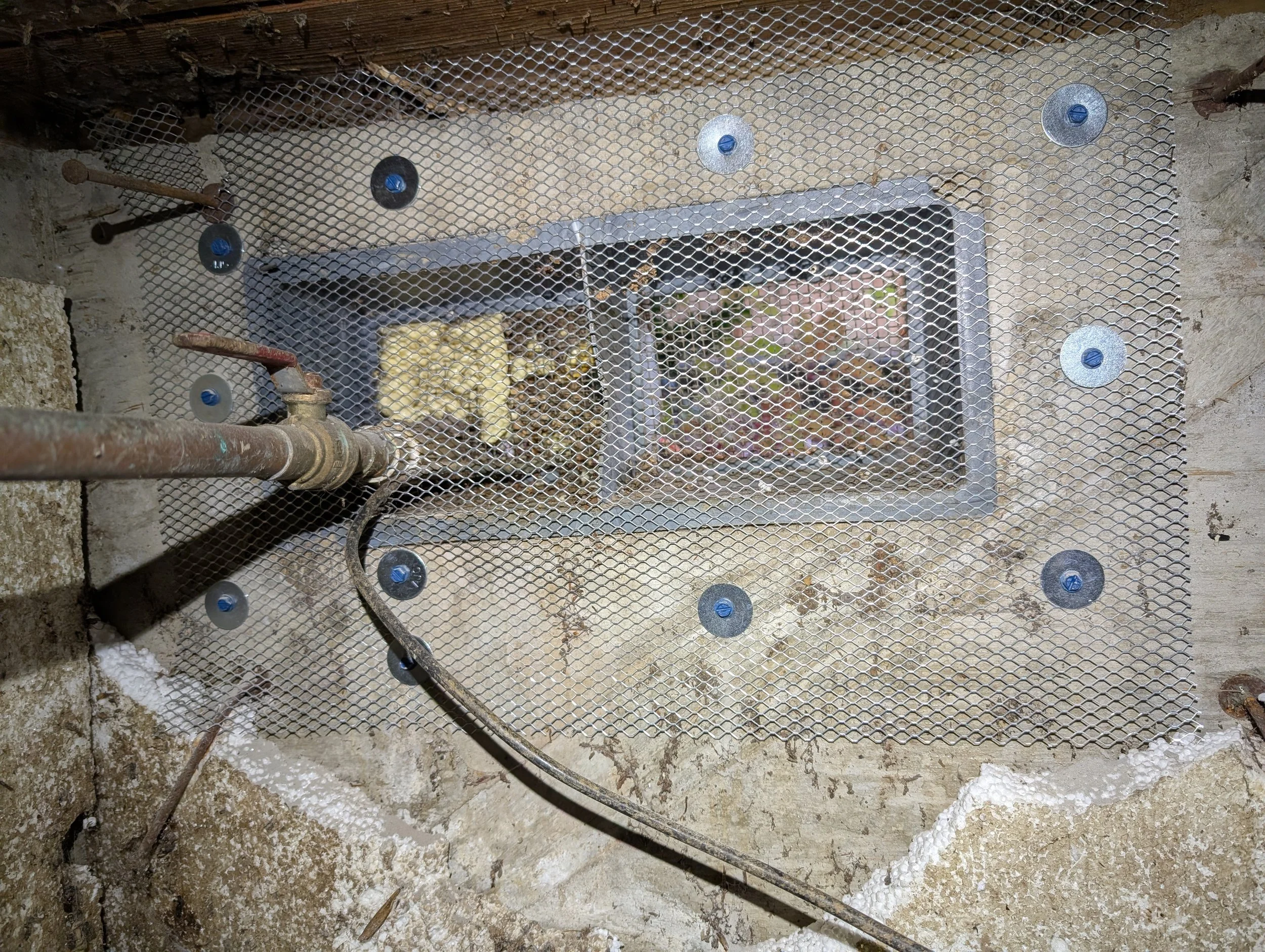
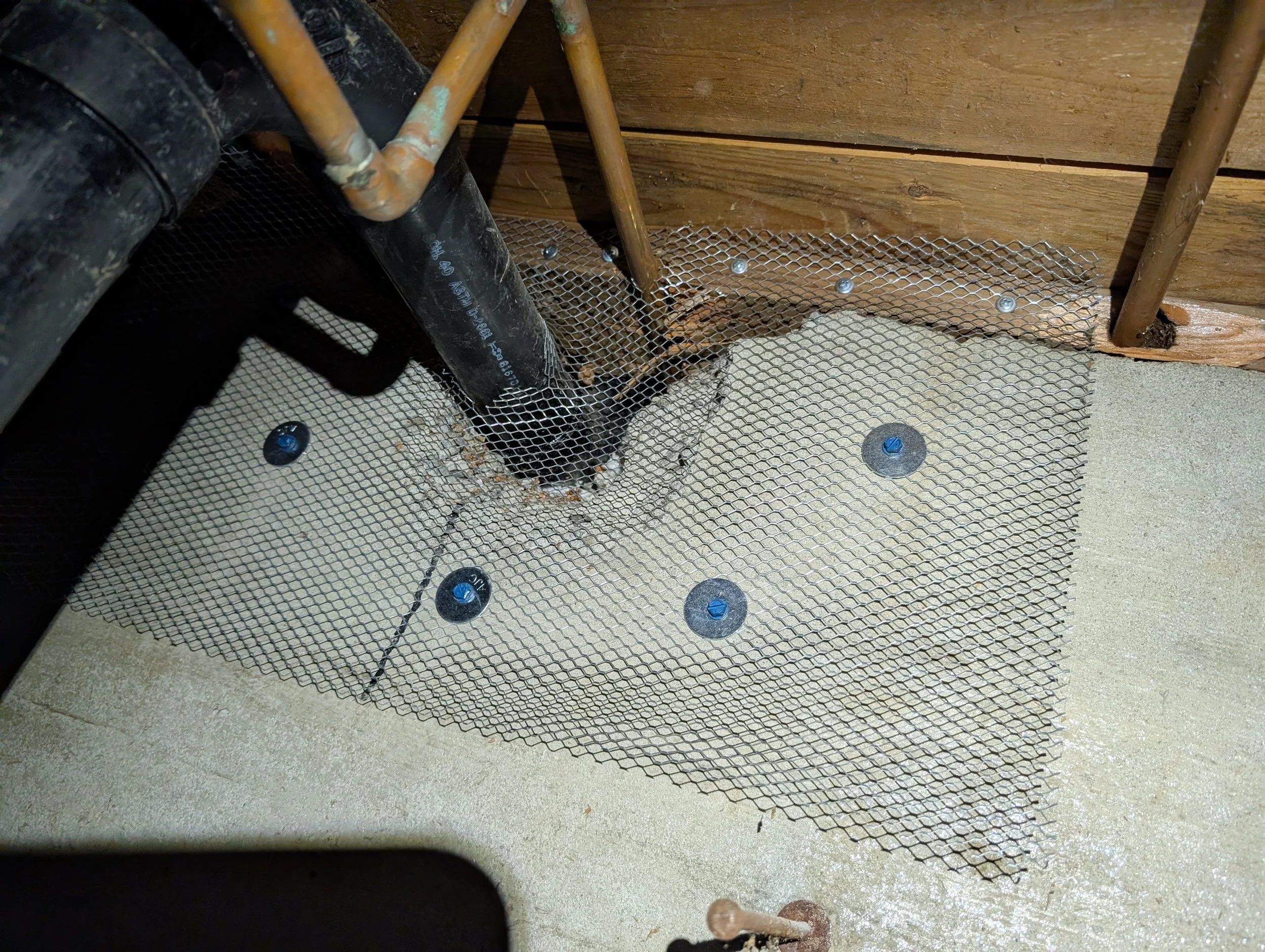
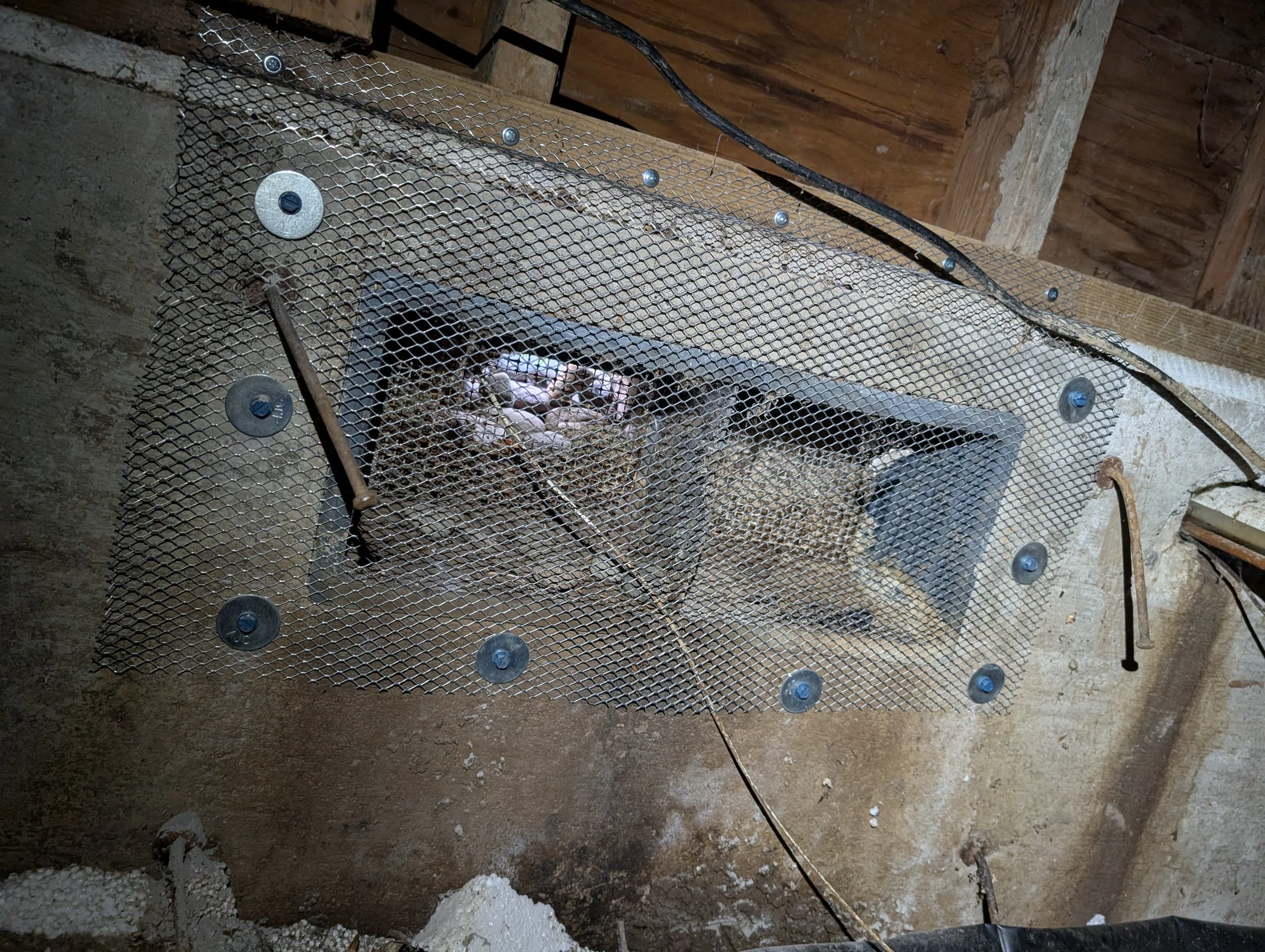
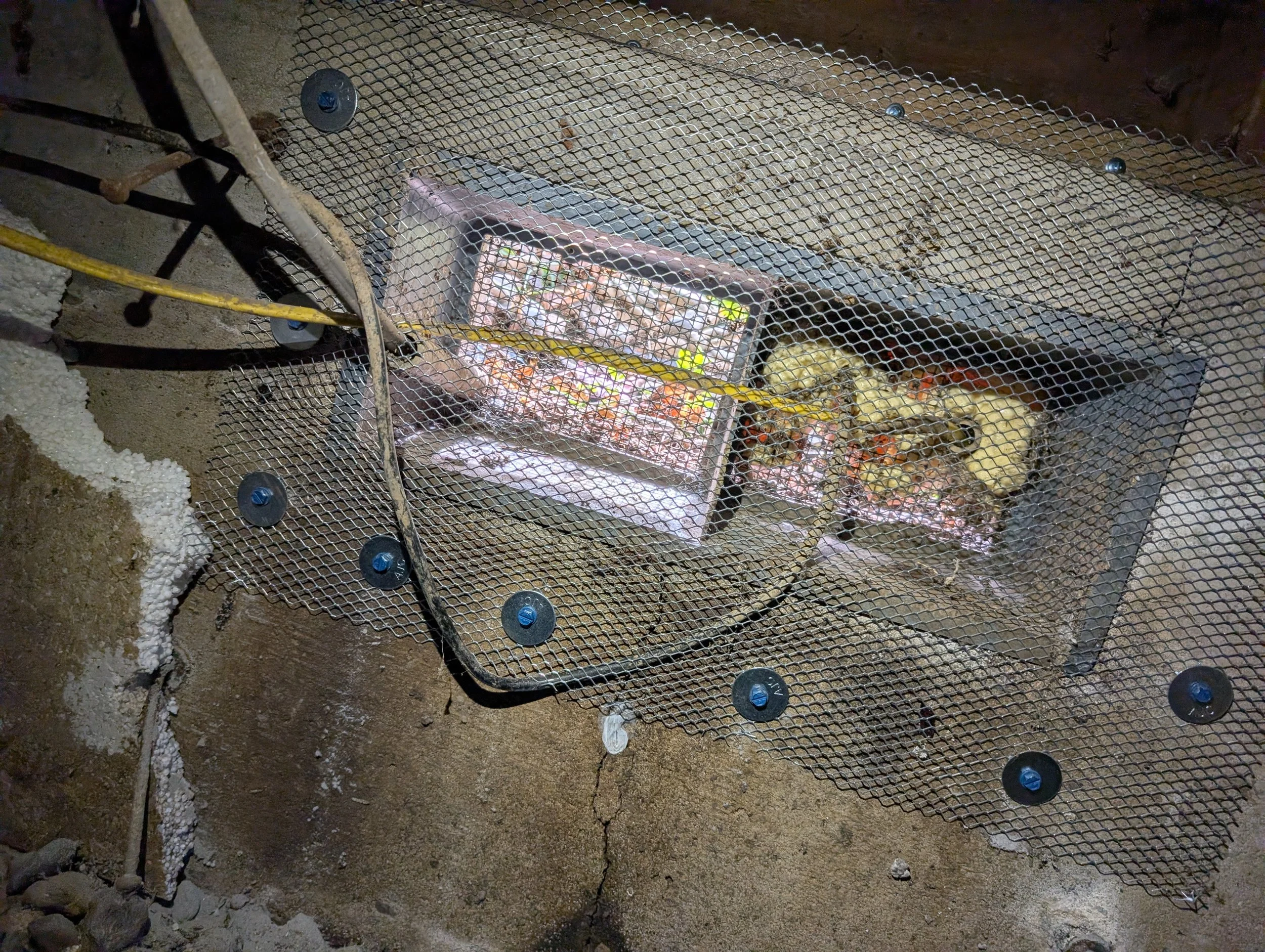
The customer had 5 entry points, 3 were active (rodents can and have used the location to enter the home) and 2 potential entry points (rodents can easily chew to create active entry points) sealed off prior via spray foam. The 3 active entry points are as follows the main, the mouse and the garage. The main entry point was allowing rats in and out of their crawl space. This was likely created by a company removing a decommissioned pipe and neglecting to seal the hole left after the pipe was removed. This is unfortunately very common, many technicians are not thinking of rodent entry points, they either forget/neglect to seal the entry point or seal it off with ineffective or suboptimal methods such as spray foam or steel wool. The mouse entry point shown in the photos below is from a tech cutting a hole in the vent much larger than necessary for the cable. This again is very common. The final active entry point is from the garage into the crawl space. These are very common as well and often missed by pest control companies. If the garage door does not completely seal or is frequently left open rats can go from the garage into the crawl space and cause damage. The last 2 entry points were sealed off with spray foam and steel wool. These were not active entry points but rats can easily chew through spray foam; if there is an active infestation in the crawl space, spray foam is nothing more than an inconvenience and annoyance.
The Fix
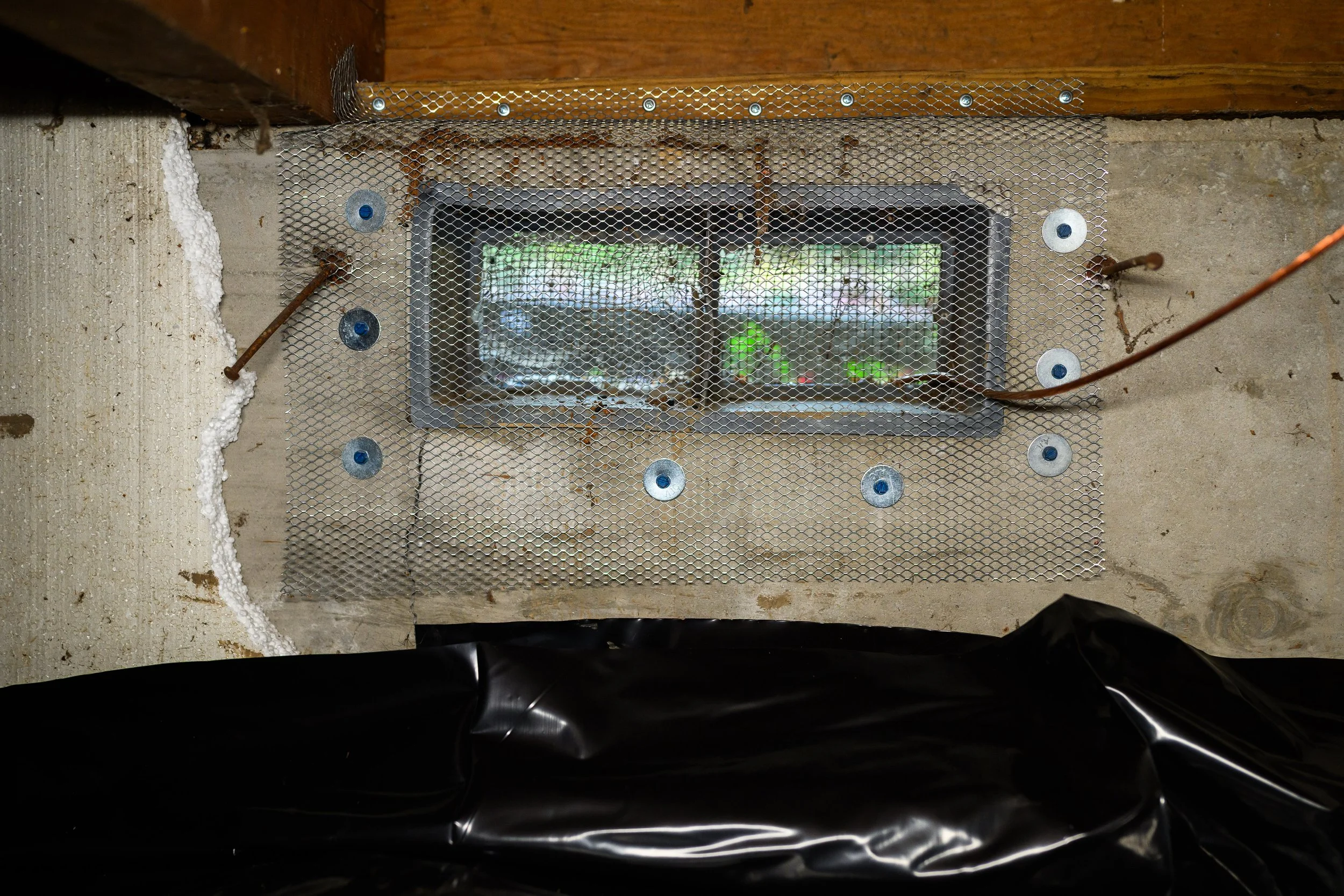
First item that needs to be addressed is how the rodents are entering the space. Rats are outside; good, that is where they belong. When rats get into your crawl or attic space they are entering via a hole large enough to get through or a hole large enough to chew through. Both can be sealed off and made inaccessible for rats to enter. Hardware cloth 23-guage, or sheet metal are both very effective materials for sealing off entry points. Hardware cloth is used for foundation vent screens to leave holes for the crawl space to breathe, and sheet metal is for everything else. Do not use steel wool, copper wool, spray foam, or rat caulking, these are all temporary at best and not permanent solutions to entry points. Steel wool and copper wool can be pulled out of place by rats and spray foam can be chewed through. Hardware cloth or metal flashing anchored to the concrete is the most secure way to seal an entry point.
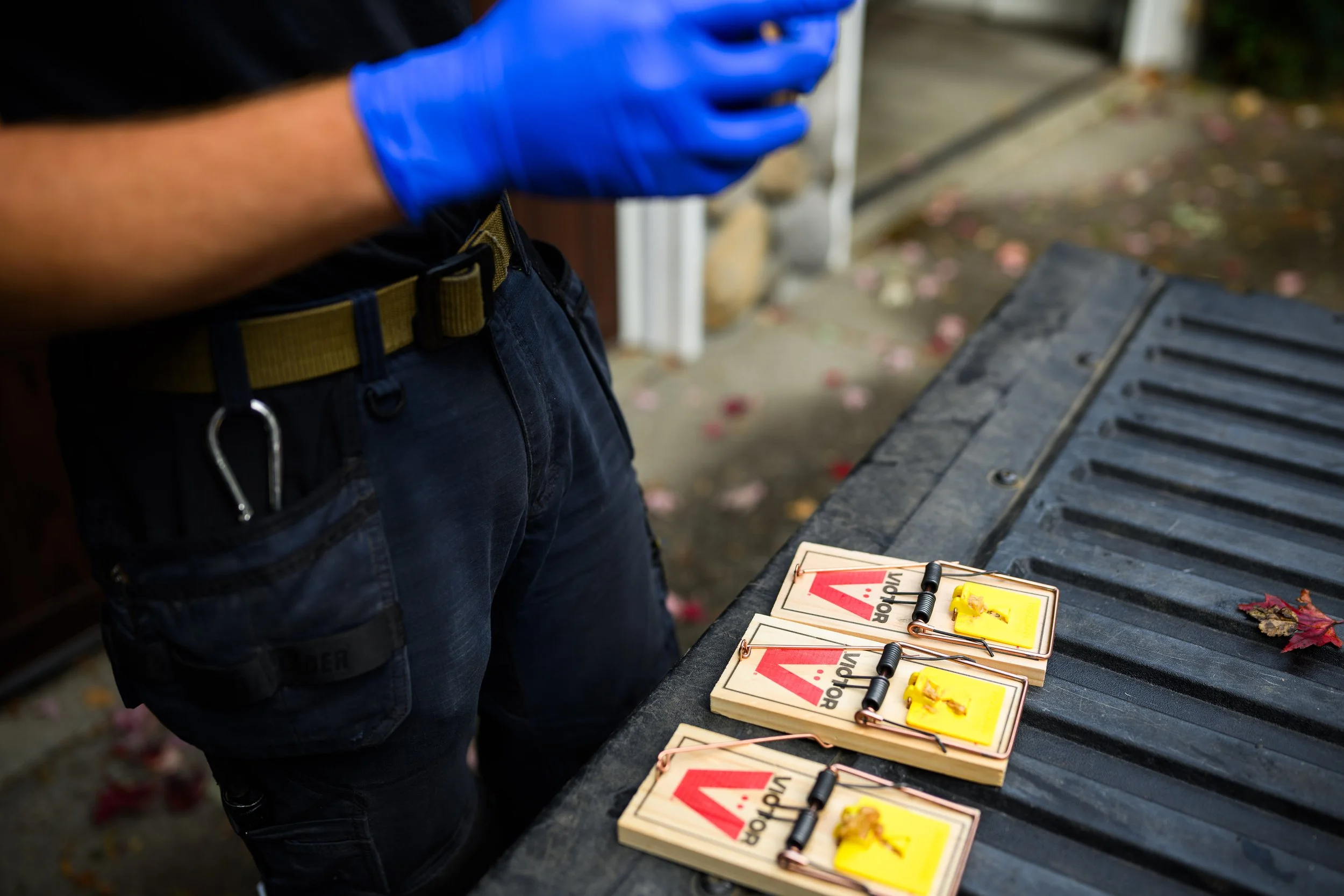
The next step is very important step, setting traps within the crawl space. We use the wood Victor snap traps with peanut butter for bait. There are many trap options and many of them work, if you have no experience using these I recommend T-Rex traps, they look like chip clips and are much easier to safely arm with no prior experience. You must set the traps immediately after you seal off the entry points. These entry points are also the rodent exit points and you just trapped them within the space. This may seem counter intuitive but rats trapped in the crawl space is a feature not a bug. If the entry points are left open rats are unlikely to interact with a new item placed in their environment. However if their front door was just locked, they begin to become stressed and hungry and are forced to interact with the traps, making trapping much more likely. We Check these traps every 3-5 days and remove any rodents and re-bait. You should stop catching rats within a week or 2. Depending on how severe your infestation was you may not catch any rats. If you do not catch any rats don’t panic, do a thorough inspection of the crawl space and look for fresh wet droppings, if you find fresh droppings but aren’t catching rats you likely missed the entry point and need to look again. If you are not seeing new droppings, sometimes rats vacate when you did your initial inspection and you happened to seal the entry points while the rats were away. This is fantastic, no rats in the crawl space and no rats to dispose of, everyone is happy.
restoration
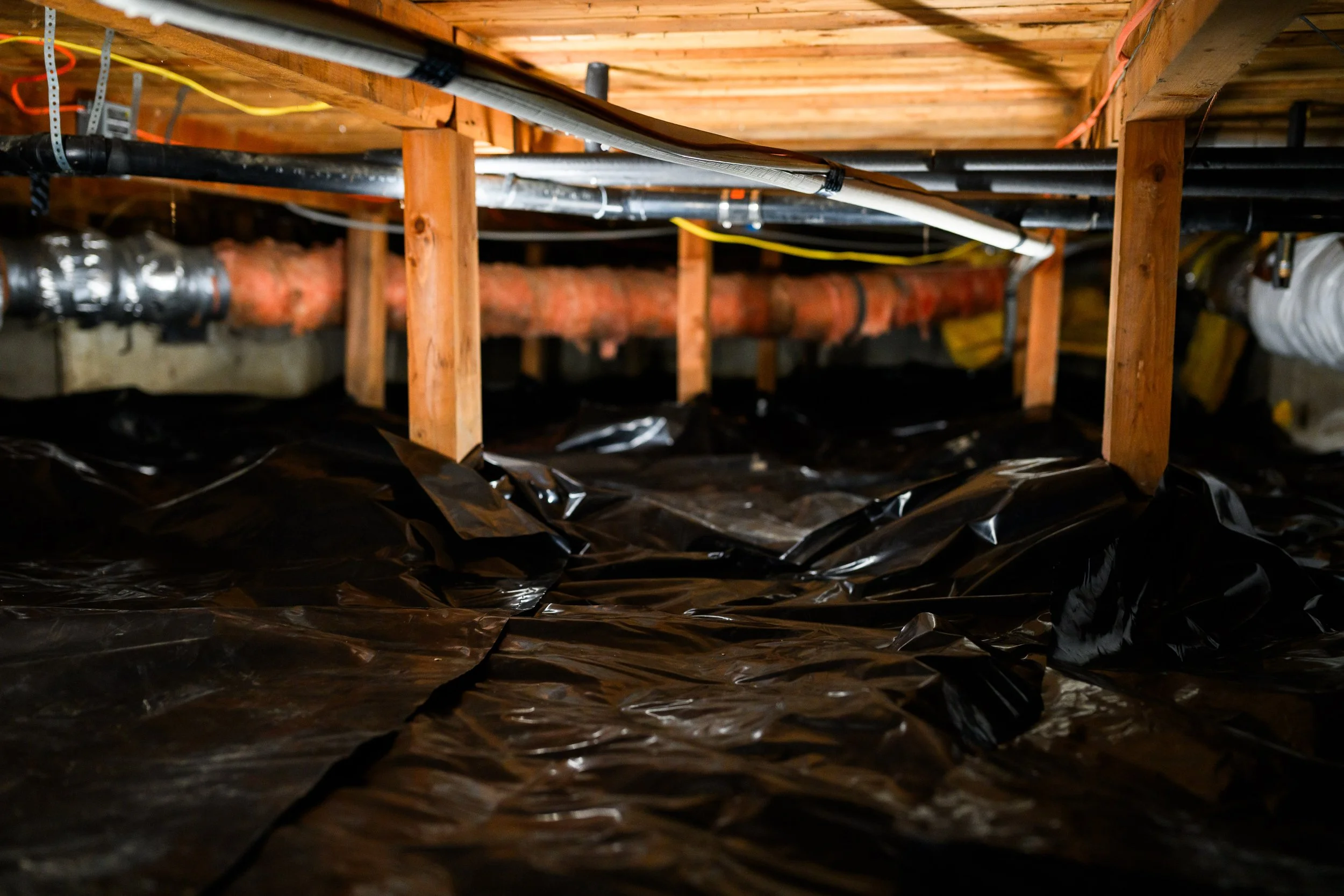
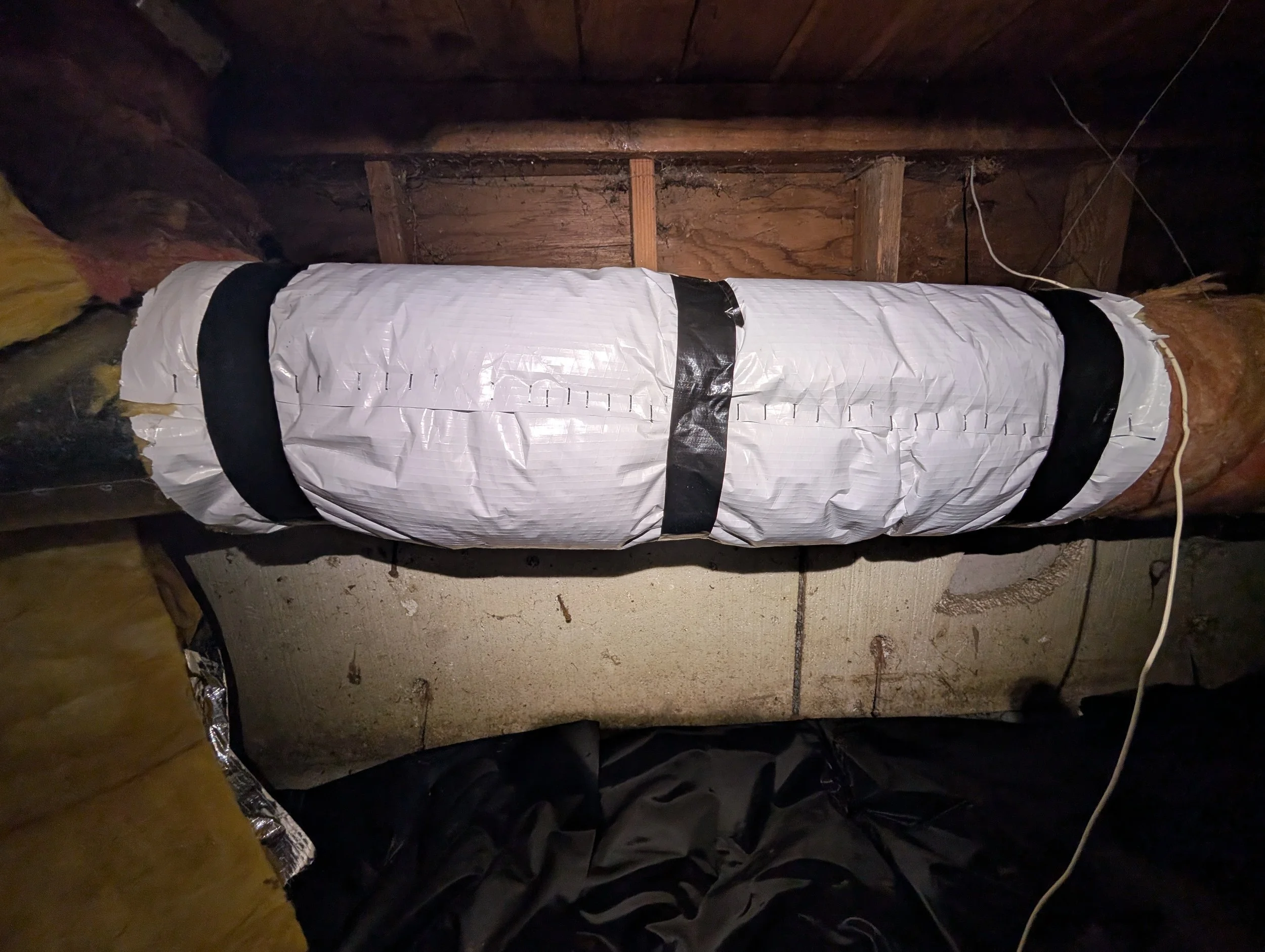
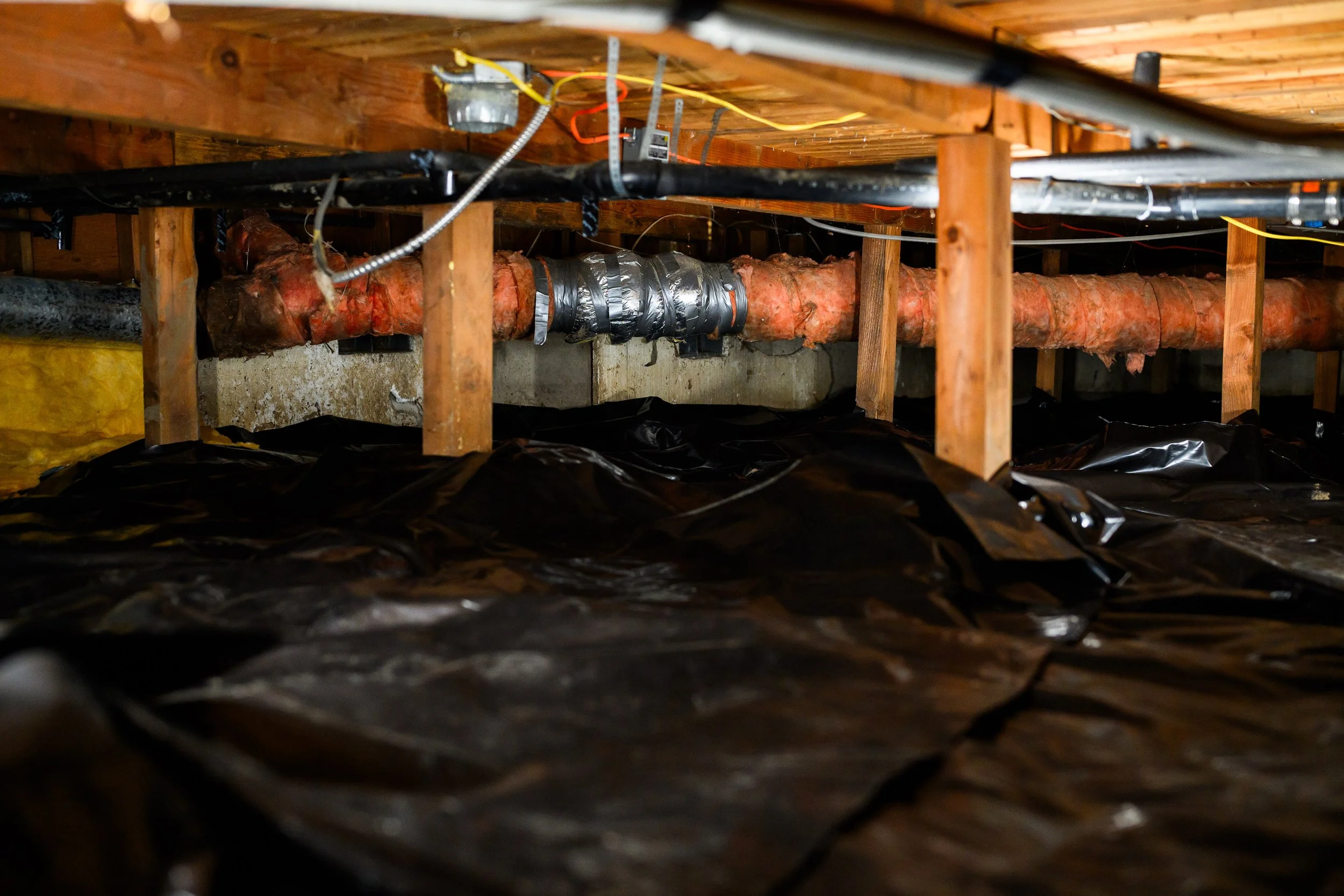
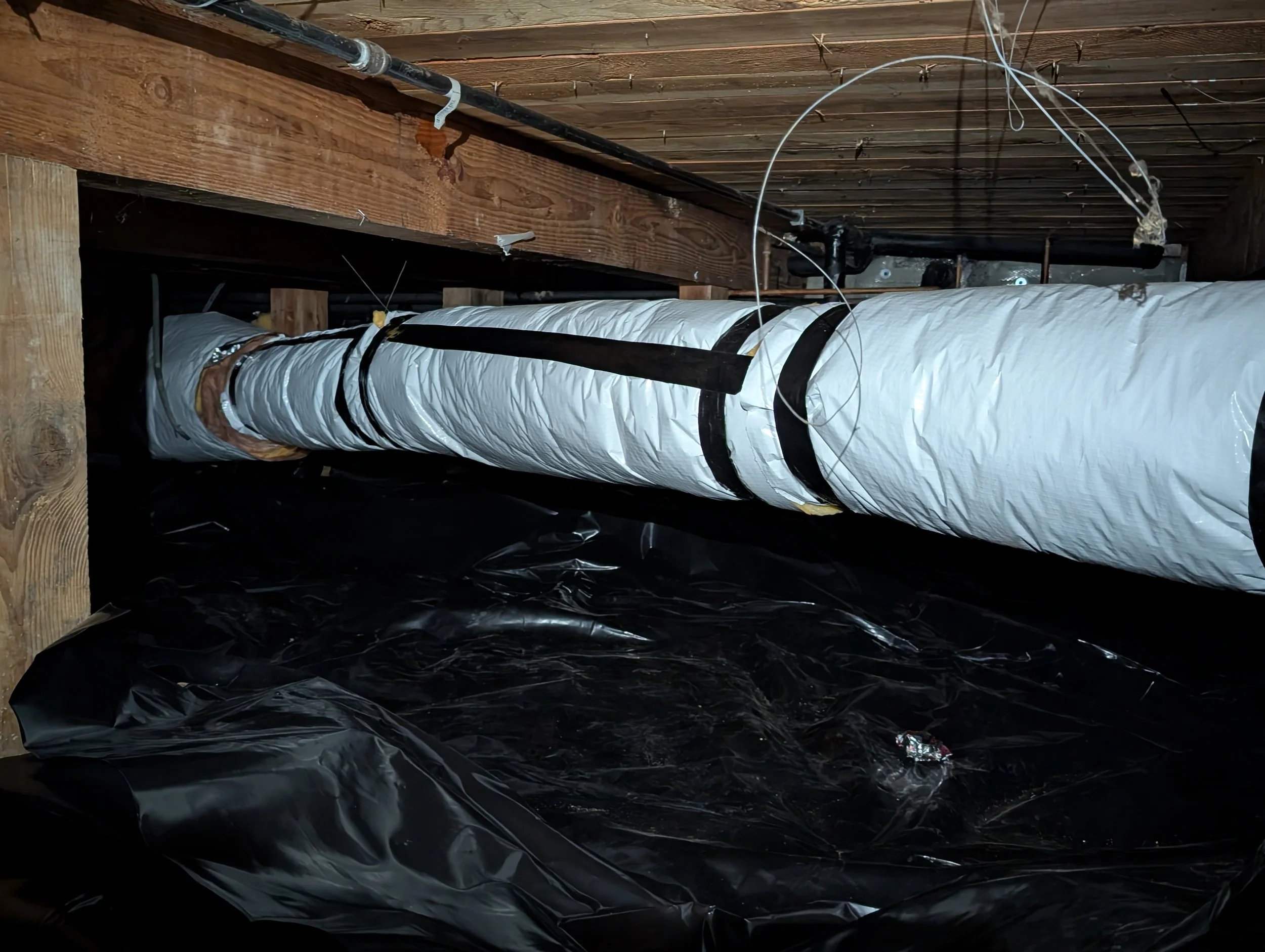
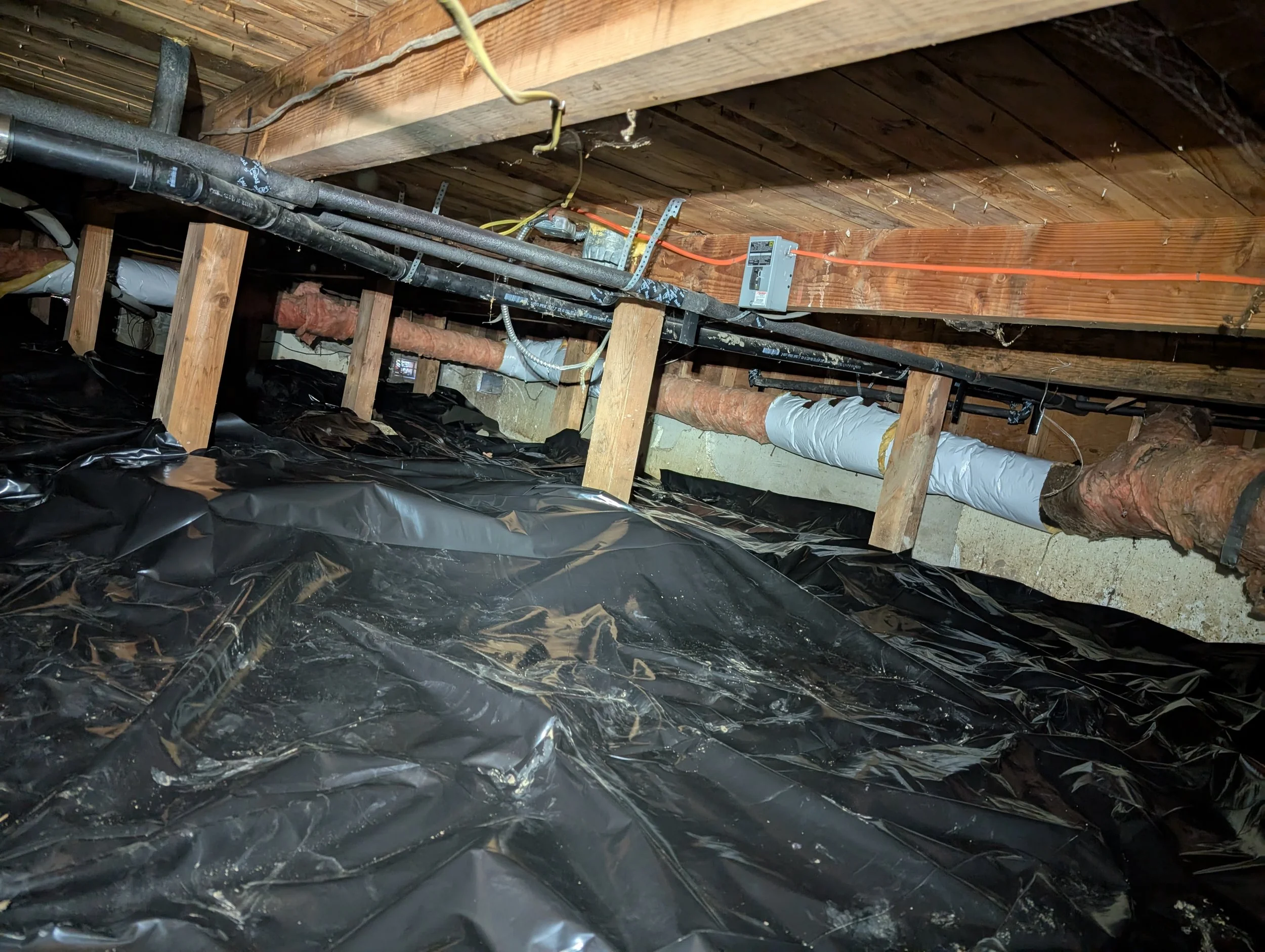
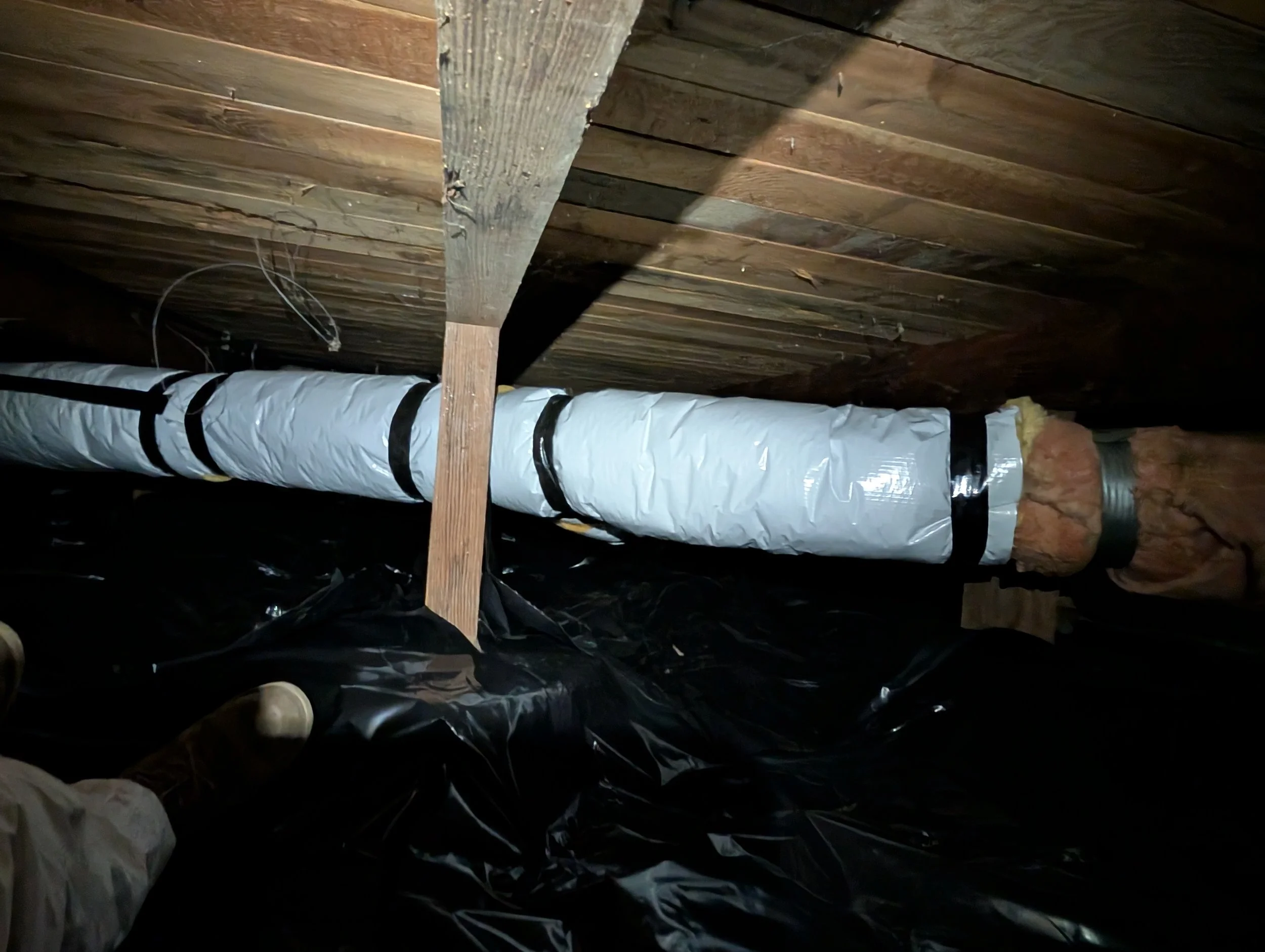
Now that the rats have been eliminated from the space you can now move to restoration. Remove the vapor barrier and replace with new 6 mil black plastic vapor barrier. Replace any damage/infested or downed insulation on the sub-floor or air ducts and sanitize the space with a sprayer or Ultra low volume machine with disinfectant to kill any viruses or bacteria that may remain and your crawl space is healthy and fully restored.
